Voyager One Maintains Deep Space Contact Nearly Five Decades After Historic Interstellar Launch
Voyager One continues to transmit telemetry data back to Earth from interstellar space, forty-nine years after its initial launch. The resilient spacecraft sets an unprecedented benchmark for long-duration deep space exploration and engineering durability.
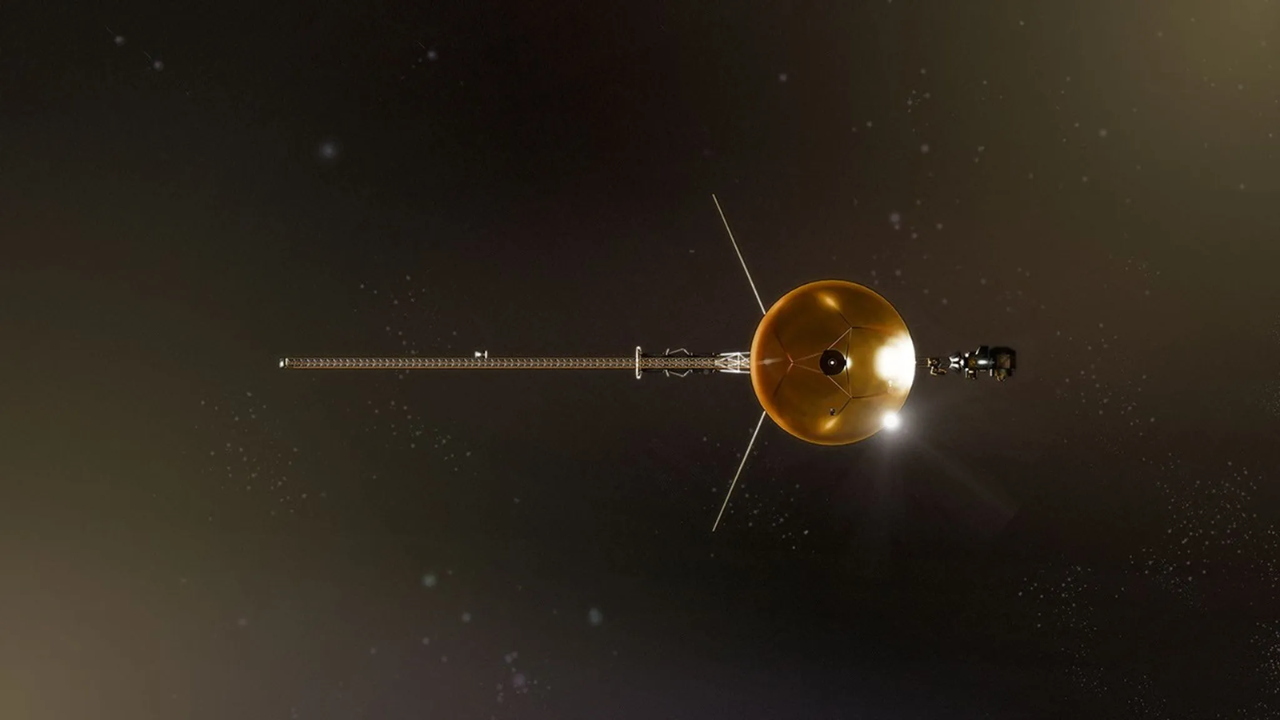
Launched in 1977, the Voyager One spacecraft continues to function in the cold expanse of interstellar space, defying original mission life expectations by nearly half a century. Engineers at the Jet Propulsion Laboratory confirmed that the probe is still transmitting vital scientific measurements across billions of miles, providing humanity with continuous data regarding the heliopaspheric boundary. The longevity of the probe relies on the management of its decaying radioactive power source and remote software patches sent across interstellar distances.
The ongoing mission presents aerospace engineers with unique operational challenges, including the management of failing thrusters and dwindling electrical output from its radioisotope thermoelectric generators. Scientists must periodically deactivate non-essential instruments to conserve power, prioritizing systems that measure interstellar plasma and magnetic fields. Despite these handicaps, the probe serves as an invaluable benchmark for spacecraft engineering, demonstrating the feasibility of long-duration autonomous missions.
The enduring operation of Voyager One expands our empirical understanding of the interstellar medium while inspiring current generational investments in deep space research. As the spacecraft drifts further from the solar system, its eventual silence will mark the end of humanity's first physical touch with the stars. The ongoing data stream provides a rare window into cosmic conditions beyond the sun's magnetic influence, shaping the architecture of future interstellar probes.
Comments 0