Warming UK Seas Threaten Marine Food Webs and Food Security
The four‑year study warns that rising temperatures in the North‑East Atlantic could collapse key food chains, undermining fisheries and threatening food security by 2050. The report has prompted immediate calls for stricter marine protection and climate mitigation measures across the UK.
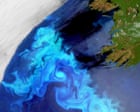
A comprehensive four‑year survey of the North‑East Atlantic, conducted by a consortium of marine scientists, has revealed that incremental temperature rises are already disrupting the stability of marine ecosystems surrounding the United Kingdom. The research, which combined satellite data, in‑situ sampling and ecological modelling, found that warming waters are shifting the distribution of plankton, the foundational element of the food web, and are causing a cascade of effects that threaten the survival of commercially valuable fish species. The study concludes that if current warming trends continue, the region could experience a significant loss of biodiversity and a decline in fish stocks that would ripple through coastal communities.
The findings carry immediate economic weight for the UK’s fishing industry, which relies on predictable fish migrations and healthy marine habitats. Fisheries managers and policymakers are now facing pressure to revise licensing regimes, introduce adaptive quotas, and invest in research that can mitigate the loss of key species. The report also signals a need for stronger marine protected areas and a reevaluation of shipping routes that exacerbate warming through ballast water discharge. The potential loss of up to 30% of certain fish populations could translate into billions of pounds in lost revenue and job displacement.
Beyond national borders, the destabilisation of the UK’s marine ecosystems could set a precedent for other temperate regions, amplifying global food security concerns. The cascading effects on predator‑prey relationships may alter the availability of fish for international markets, prompting shifts in trade patterns and prompting other nations to accelerate climate commitments. In the next twelve months, the UK government is expected to announce a comprehensive marine strategy that will integrate climate science with fisheries management, marking a structural shift in how the nation balances economic interests with ecological stewardship.
Comments 0