Washington Imposes Procurement Bans on Northern Neighbors as Trade Friction Escalates
Executive actions restrict domestic public agencies from acquiring goods originating across the northern border. This policy shift disrupts deeply integrated manufacturing supply chains built over decades of bilateral agreements.
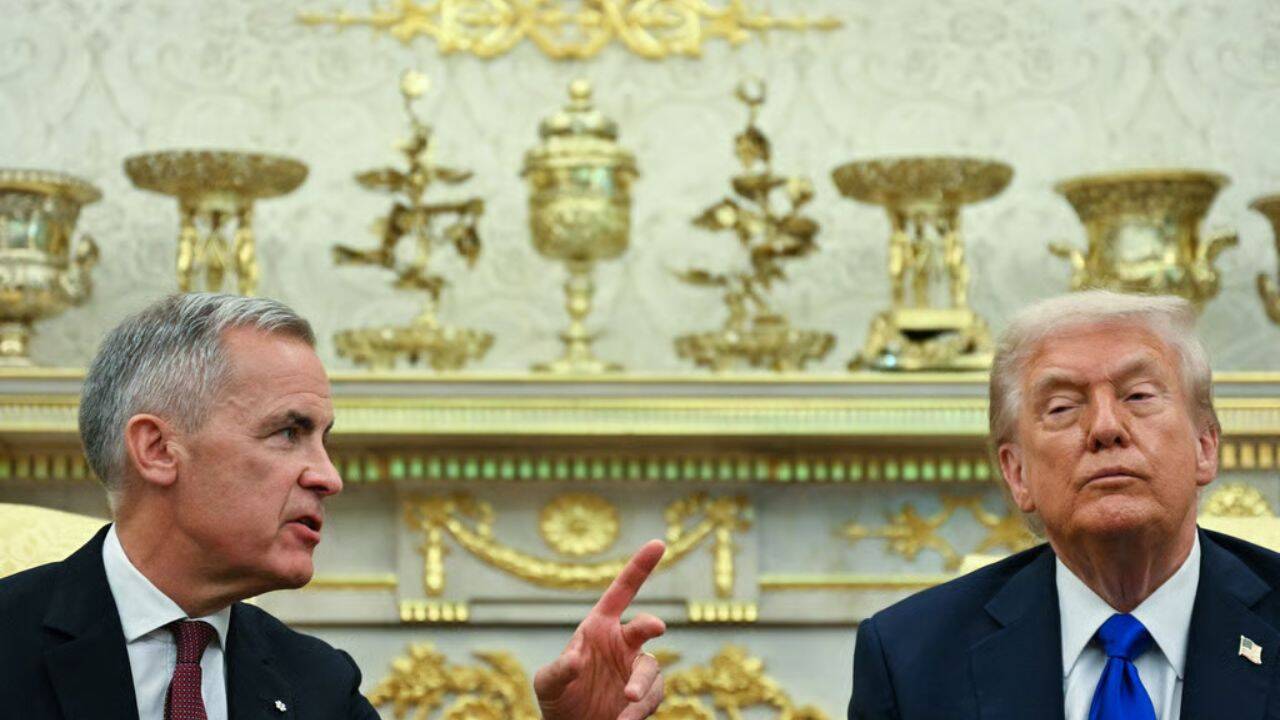
The newly signed memorandum explicitly bars federal departments from purchasing various manufactured inputs from external suppliers. Trade representatives from both nations are currently deadlocked over retaliatory tariffs and regulatory compliance frameworks. Industrial associations have issued urgent warnings regarding rising component costs for domestic assembly lines. Domestic manufacturers operating across international borders find themselves trapped between conflicting regulatory mandates and tax structures. Political leaders maintain that domestic industrial capacity must be shielded from external imbalances, regardless of diplomatic costs. Labor unions inside the affected sectors praise the protective measures, while logistics providers predict severe bottlenecks at major border crossings. Cross-border commerce volumes are projected to contract significantly as procurement officers cancel existing contracts. Bilateral relations face their most severe test in decades, threatening broader security and intelligence sharing agreements. Corporations are aggressively restructuring supply chains to avoid future regulatory penalties.
Comments 0