Water Crisis Deepens: Illegal Tapping Exposed in Dombivli, Maharashtra
Amid a severe water crisis in Mumbai, illegal tapping of the MIDC pipeline in Dombivli has been exposed, highlighting the systemic failures in water distribution. This incident underscores the growing gap between demand and supply in one of India's most populous cities.
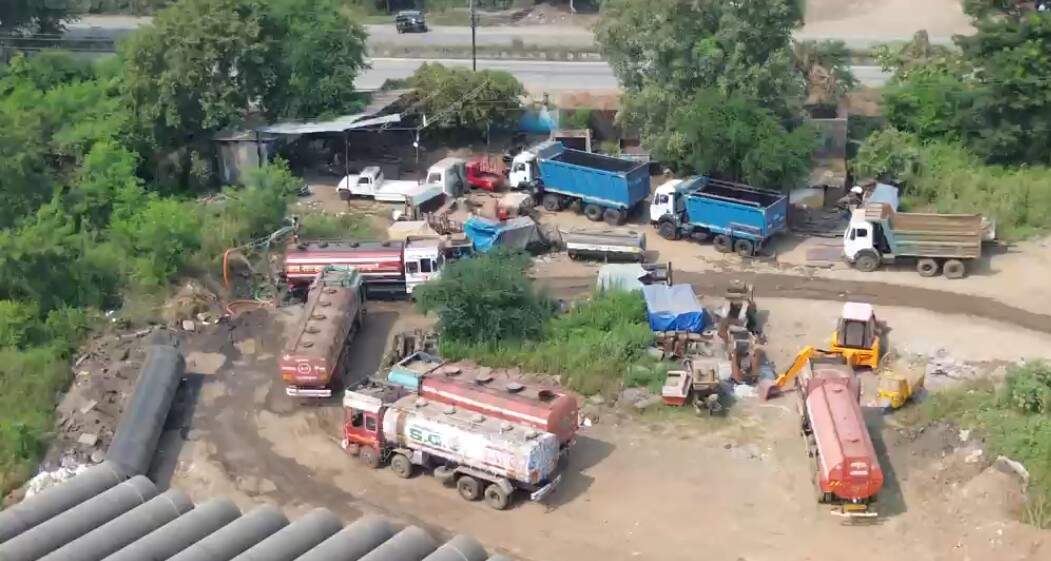
The exposure of illegal tapping from the MIDC pipeline in Dombivli, Maharashtra, is a stark reminder of the water crisis that is gripping Mumbai. As the city struggles to meet the demands of its massive population, the integrity of its water infrastructure is under constant threat. The discovery of this illegal tapping is not just a case of individual wrongdoing; it is a symptom of a larger systemic failure in water management and distribution. The crisis is exacerbated by rapid urbanization, inadequate infrastructure, and a lack of effective enforcement mechanisms. The incident highlights the urgent need for a comprehensive overhaul of the city's water supply system.
The underlying tension in this crisis is between the growing demand for water and the limited supply. The institutional friction is evident in the lack of coordination between different agencies responsible for water management, including the municipal corporation, the state water authority, and private developers. The illegal tapping is a direct result of this fragmentation, where gaps in oversight are exploited by those seeking to profit from the scarcity. The crisis also reflects the broader challenges of managing a megacity, where the scale of the problem outstrips the capacity of existing institutions to respond effectively. The lack of a unified command structure for water management is a critical weakness that needs to be addressed.
The downstream consequences of this water crisis are severe for the residents of Mumbai, who are forced to rely on expensive tanker water or ration their usage. The exposure of the illegal tapping will likely lead to increased enforcement actions, but it also highlights the need for a more sustainable approach to water management. For the city's economy, the crisis poses a significant risk, as water scarcity can disrupt business operations and reduce productivity. The long-term impact will be a greater emphasis on water conservation, recycling, and the development of alternative sources, such as desalination and rainwater harvesting. The crisis also serves as a warning to other rapidly growing cities in India, which face similar challenges in managing their water resources.
Comments 0