West Bengal Opposition Demands Structural Overhaul Instead of Populist Cash Transfers
Senior political figures in West Bengal have criticized current governance models, arguing that state resources should pivot from temporary doles to fundamental economic reforms. The policy debate underscores deep ideological divisions regarding fiscal management in eastern India.
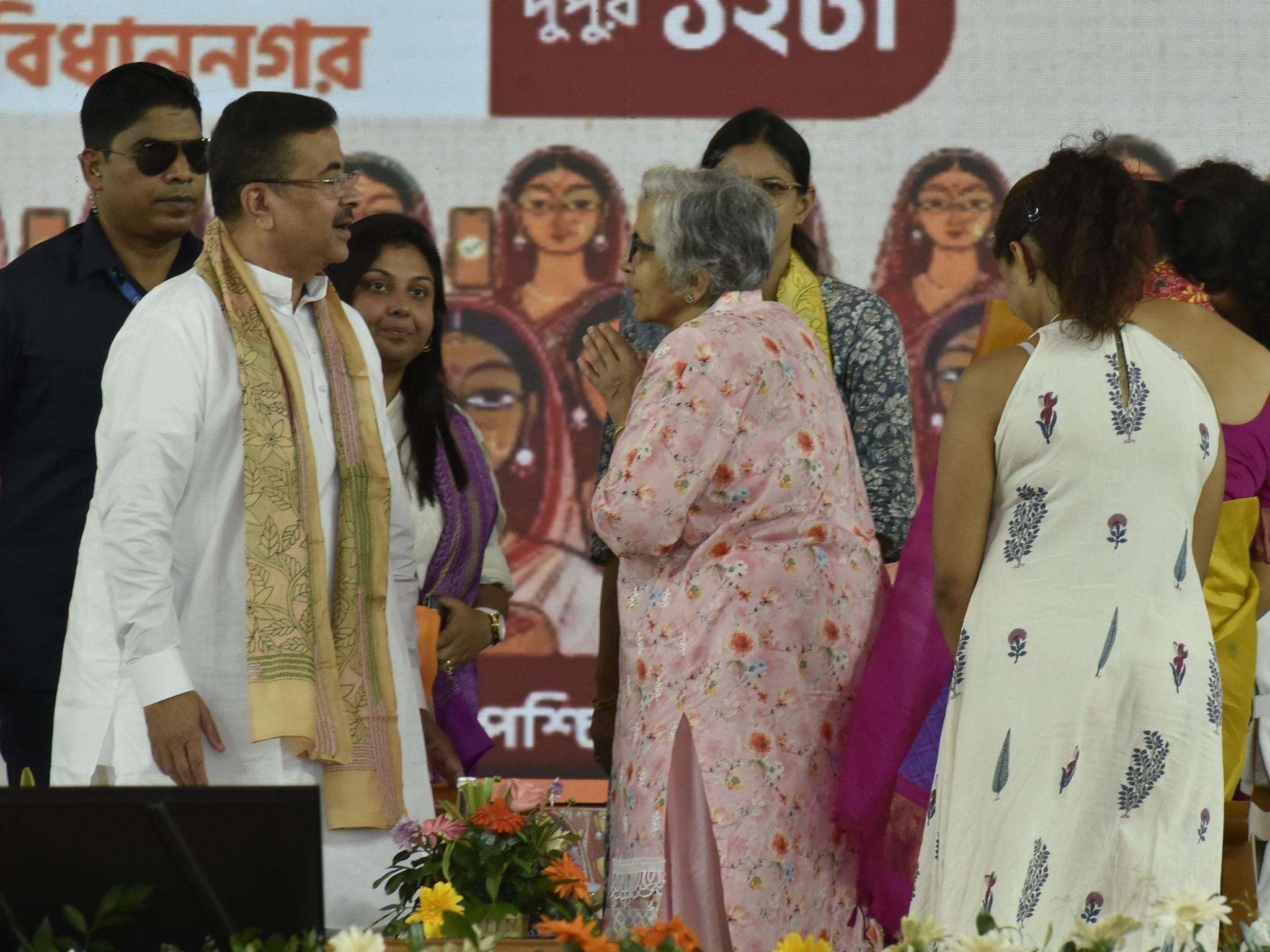
The political discourse in West Bengal sharpened as opposition leaders openly challenged the state's reliance on short-term financial doles to maintain public support. Critics argued that distributing direct cash benefits without addressing systemic industrial decay traps the regional economy in perpetual stagnation. The critique calls for sweeping structural overhauls focused on private investment attraction and manufacturing revival. At the heart of this confrontation lies a fundamental disagreement over resource allocation and welfare economics in a developing state. Ruling authorities frequently rely on targeted welfare schemes to secure electoral stability, whereas opposition factions claim these measures crowd out critical infrastructure spending. This tension paralyzes long-term capital expenditure, leaving the state dependent on consumption-driven models rather than production-led growth. The tangible consequence of this policy stalemate is the continued flight of young professional talent and stagnant industrial job creation across Kolkata and surrounding districts. Without a strategic shift toward business deregulation and power sector reforms, West Bengal risks falling further behind western and southern Indian economic powerhouses.
Comments 0