West Bengal Plans Pygmy Hog Return, Mulls Rhino Gene Exchange with Assam
Conservation authorities in Bengal announced plans to reintroduce the endangered pygmy hog to Jaldapara, while also exploring a genetic exchange programme for rhinos with neighboring Assam. The proposals aim to bolster biodiversity in the region's protected areas.
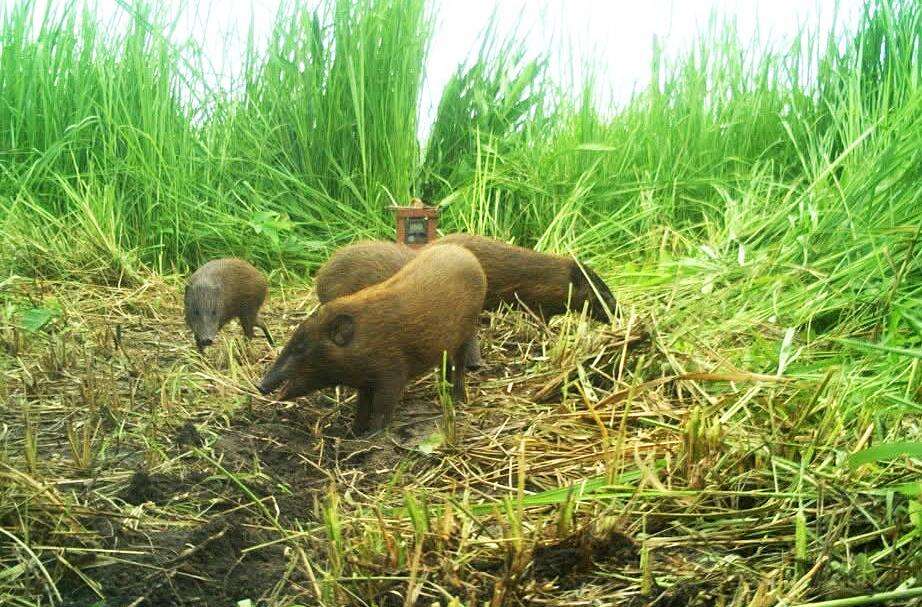
The concrete rupture in the state's wildlife strategy was signalled by the formal proposal to release captive‑bred pygmy hogs into the grasslands of Jaldapara National Park, a habitat once home to the species before its near‑extinction. Officials outlined a phased release schedule, habitat restoration measures, and community outreach to mitigate human‑wildlife conflict. Simultaneously, the state wildlife board opened discussions with Assam's forest department about exchanging rhino genetic material to enhance population resilience against disease and inbreeding.
Underlying tension stems from competing land‑use interests and the logistical challenges of translocating fragile species. Local farmers have expressed concerns about potential crop damage, while conservationists stress the urgency of acting before climate pressures further erode suitable habitats. The genetic exchange proposal raises scientific debates about the ethics of assisted migration and the need for rigorous health screening to prevent pathogen transfer.
Downstream, successful reintroduction could restore a keystone species, improve ecosystem services, and attract eco‑tourism revenue, thereby providing economic incentives for local communities. Conversely, any misstep could lead to animal mortality, public backlash, and setbacks for broader conservation programmes. The outcomes of these initiatives will likely influence national policy on species recovery and shape future collaborations between adjacent states.
Comments 0