West Bengal's Health Scandal: The Political Fallout of Institutional Negligence
West Bengal Chief Minister Suvendu Adhikari has threatened to replace the Health Secretary if it is confirmed that he ordered repair work at RG Kar Medical College. The statement highlights the intense political scrutiny surrounding the management of public health institutions and the potential for administrative accountability.
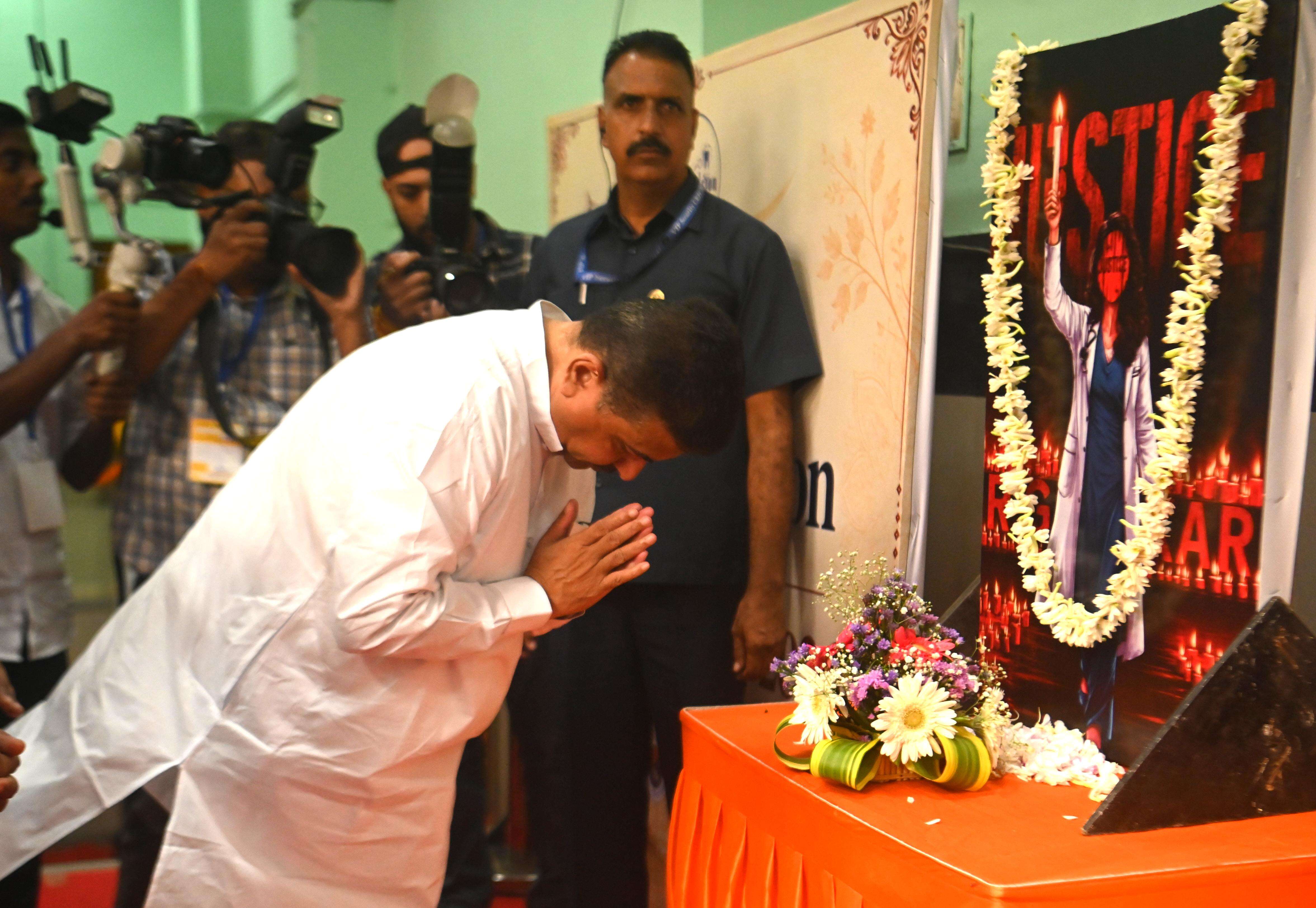
The concrete rupture in West Bengal's political is the Chief Minister's public threat to dismiss the Health Secretary over alleged involvement in repair work at RG Kar Medical College. The immediate shockwave is a signal of the state government's willingness to hold senior officials accountable for administrative failures, a move that is both a political strategy and a response to public pressure. The tangible outcome is a heightened sense of scrutiny within the health department, where officials are now under intense pressure to ensure that all actions are above board. This move also serves to deflect attention from other political issues, positioning the government as a force for reform.
The underlying tension reflects the complex relationship between political leadership and bureaucratic autonomy in Indian state governments. The Chief Minister's statement suggests a desire to assert control over the health department, which has been a source of controversy in recent years. This friction is compounded by the public's demand for better healthcare services, which has been unmet due to administrative inefficiencies and resource constraints. The institutional friction is also evident in the relationship between the state government and the central government, which has its own standards for public health institutions. The threat of dismissal is a powerful tool, but it also raises questions about the independence of the bureaucracy and the potential for political interference in administrative decisions.
The downstream casualties of this political maneuver include the morale of the health department staff, who may feel that their work is being politicized. The tangible outcome is a potential overhaul of the health department's management, with new appointments and policies aimed at improving efficiency and accountability. The long-term consequence is a more transparent and accountable health system, which may benefit the public by ensuring that resources are used more effectively. However, it may also lead to a loss of institutional memory and expertise, as experienced officials are replaced by political appointees.
Comments 0