West Bengal’s Religious Tensions: Christians Seek Protection Amidst Rising Insecurity
Ahead of Christmas, Christian leaders in West Bengal have formally requested protection from the state government and central authorities, citing a rise in attacks and intimidation. This move highlights the deepening religious fault lines in the state and the political implications of communal harmony in a key electoral battleground.
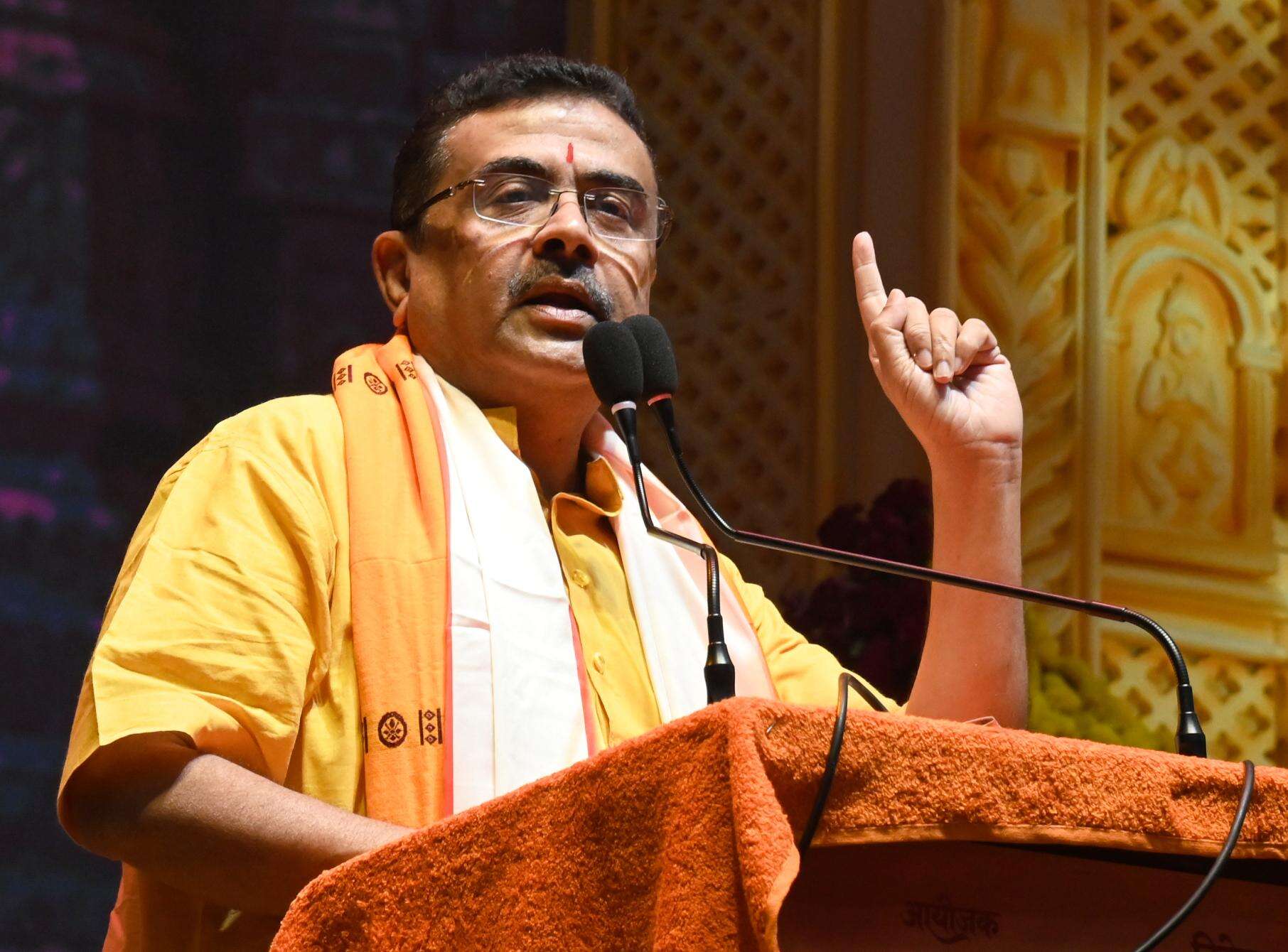
The request for protection by Christian leaders in West Bengal is a concrete indication of the rising insecurity faced by religious minorities in the state. The letter to Chief Minister Suvendu Adhikari, Governor RN Ravi, and Home Minister Amit Shah signals a breakdown in the social contract, where the state is perceived as unable or unwilling to ensure the safety of its citizens. This is not an isolated incident but part of a broader pattern of communal tension that has been escalating in recent months. The timing, ahead of Christmas, amplifies the political sensitivity of the issue, as it occurs during a period of heightened visibility for the Christian community.
The underlying tension is rooted in the political dynamics of West Bengal, where religious identity has become a significant factor in electoral politics. The rise of Hindu nationalism and the corresponding backlash from minority communities have created a volatile environment. There is institutional friction between the state government’s desire to maintain communal harmony and the pressure from hardline elements to assert dominance. The central government’s involvement, through the letter to the Home Minister, suggests that the issue has transcended state boundaries and has become a matter of national concern, with implications for India’s image as a secular democracy.
The downstream consequences of this event will likely include increased police presence and security measures for Christian institutions and events, which may provide temporary relief but does not address the root causes of the tension. The political parties involved will face pressure to take a clear stance on communal harmony, which could influence voter sentiment in upcoming elections. For the Christian community, the event will serve as a catalyst for greater political mobilization and advocacy, potentially leading to a more organized and vocal presence in the public sphere. The incident underscores the fragility of social cohesion in West Bengal and the need for sustained efforts to promote interfaith dialogue and understanding.
Comments 0