White House Weighs Ouster of Trump Aide Over Nvidia Chip Scandal
The administration is considering the removal of a senior official following revelations that he facilitated the export of advanced Nvidia chips to China. This move signals a sharp internal fracture over the enforcement of technology sanctions and the protection of American semiconductor supremacy.
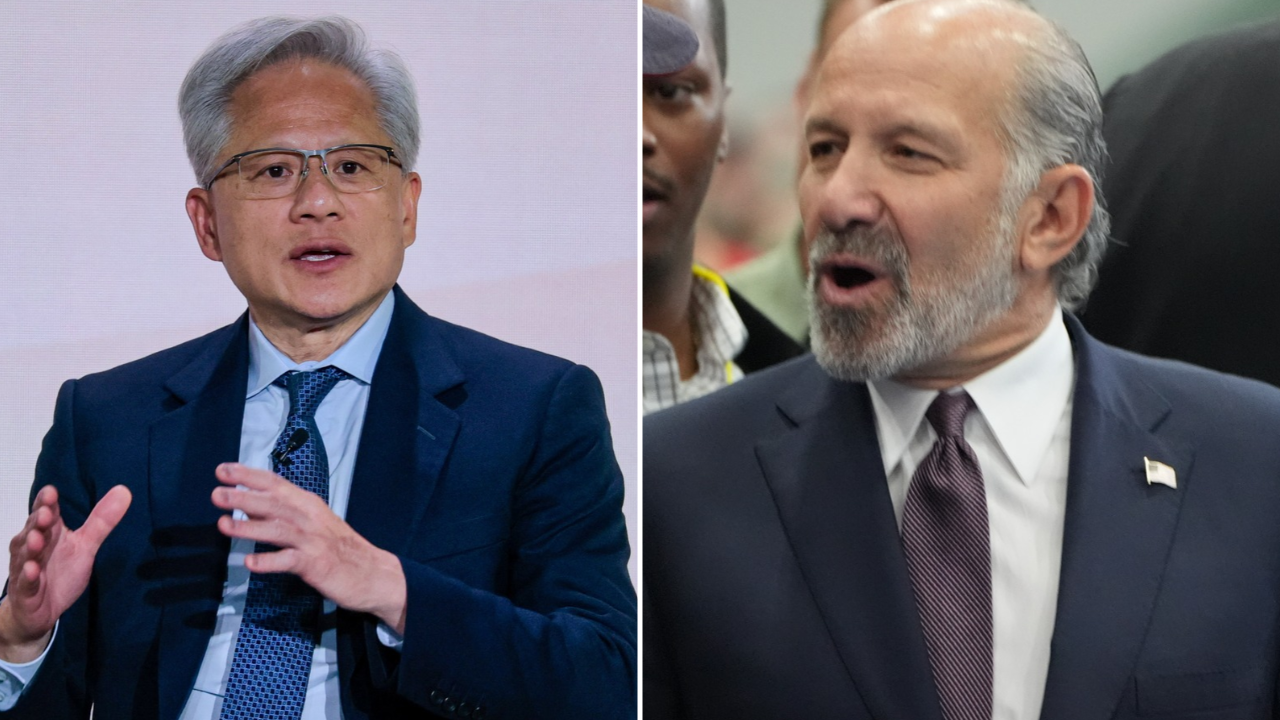
The White House is currently deliberating on the dismissal of a high-ranking aide, a decision that would mark a significant rupture in the administration's approach to technology policy. The impetus for this potential ouster is the discovery that the official allegedly aided in the circumvention of export controls, allowing cutting-edge Nvidia graphics processing units to reach Chinese entities. This act, if confirmed, represents a direct violation of the strategic containment measures designed to prevent the adversary from accessing the computational power necessary for advanced military and artificial intelligence applications.
The underlying tension stems from a fundamental disagreement within the executive branch regarding the balance between economic interests and national security. While some factions prioritize the revenue generated by the sale of American technology, others argue that any leakage of high-performance chips undermines the long-term strategic advantage of the United States. The incident highlights the friction between commercial lobbying efforts and the rigid requirements of the export control regime, exposing the vulnerabilities in the oversight mechanisms that govern the flow of critical technology.
The downstream consequences of this scandal extend far beyond a single personnel change. It forces a reevaluation of the integrity of the export control system and may lead to stricter auditing of all technology transactions. For the semiconductor industry, the uncertainty surrounding regulatory enforcement could chill investment and complicate supply chain planning. The episode serves as a stark reminder that the battle for technological dominance is not only fought in the laboratory but also in the corridors of power where policy is shaped and enforced.
Comments 0