Why Delhi police say they denied permission for the CJP protest and why they called it ‘illegal’
Delhi Police have explained their decision to deny permission for a protest organized by the CJP, labeling the event as illegal. The authorities cited specific regulatory reasons for their refusal, which has sparked debate over the right to public assembly in the capital.
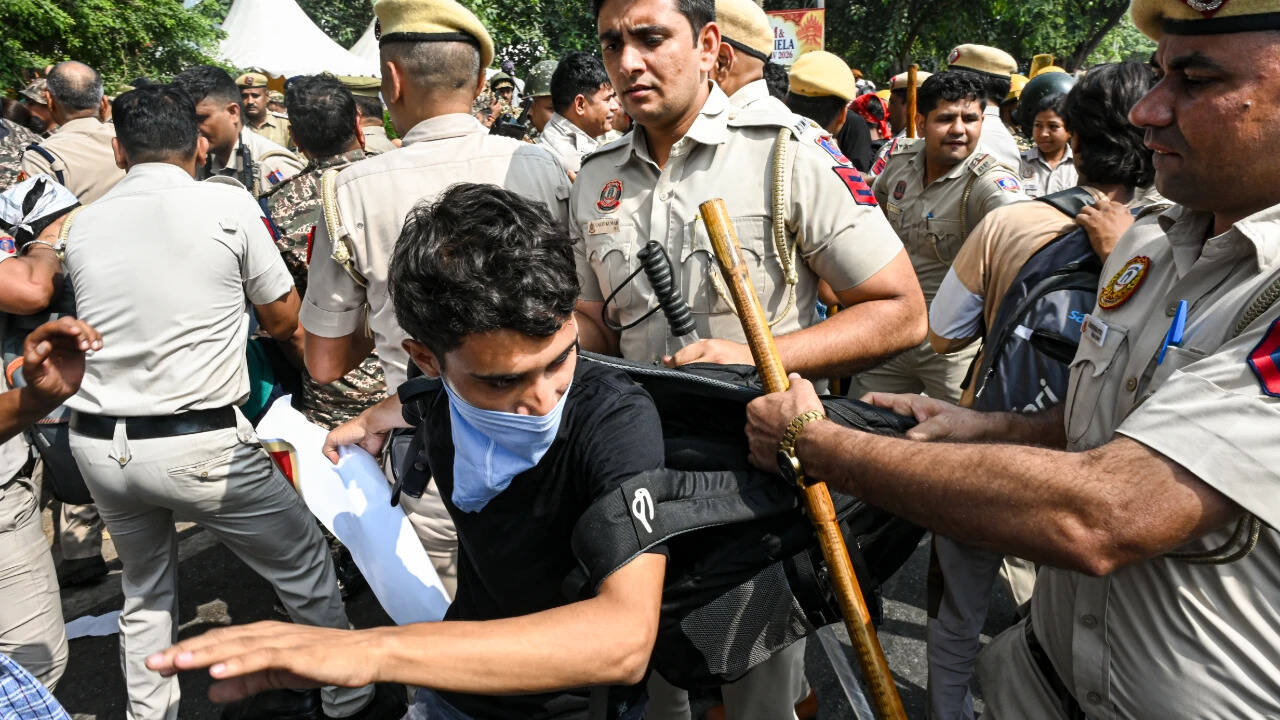
Delhi Police have provided a detailed explanation for their decision to deny permission for a protest planned by the CJP. The law enforcement agency stated that the event did not meet the necessary legal requirements for public assembly, leading them to classify it as illegal. This decision has raised questions about the criteria used to approve or deny protest permits in the capital. The police emphasized that their actions were in line with existing laws designed to maintain public order and safety in the city. The refusal has become a point of contention between the organizers and the authorities.
The controversy highlights the ongoing tension between the right to protest and the state's responsibility to manage public spaces. Delhi Police indicated that the specific location and nature of the planned gathering posed challenges that could not be adequately addressed under the proposed arrangements. This stance reflects a broader pattern of scrutiny applied to large-scale demonstrations in the capital, where authorities often seek to ensure that events do not disrupt traffic or public services. The legal basis for the denial is central to the current discussion, with observers examining whether the standards applied are consistent with previous cases.
For readers in India, this incident is relevant as it touches on fundamental rights and the practical realities of exercising them in a major metropolitan area. The ability to protest peacefully is a key component of a democratic society, and how authorities manage such requests can have wide-reaching implications for civil liberties. The outcome of this specific case may set a precedent for future protests in Delhi, influencing how both organizers and law enforcement approach similar situations. It is a reminder of the complex balance that must be struck between security concerns and the freedom of expression.
Comments 0