Why Indian Railways may scrap RAC ticketing system - explained
Indian Railways is considering the removal of the Reservation Against Cancellation (RAC) system that forces two passengers to share a single berth while paying full fare. Officials say the move aims to address long‑standing complaints about fairness and comfort for travelers.
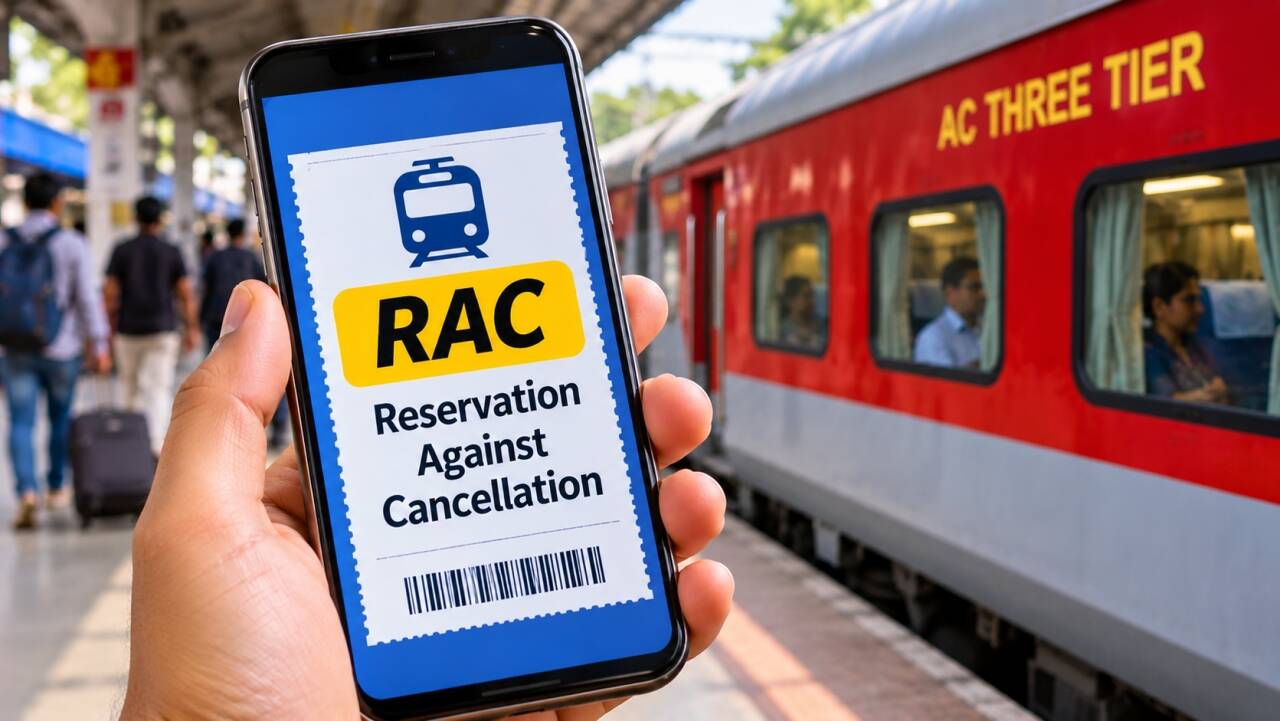
The Reservation Against Cancellation, commonly known as RAC, allows passengers who could not obtain a confirmed berth to travel by sharing a single berth with another passenger. Both travelers are required to pay the full ticket price even though they receive only half of the sleeping space. This arrangement was introduced to reduce the number of denied boardings, but over time it has drawn criticism for compromising passenger comfort and for the perception of paying for a service that is not fully delivered.
Critics argue that the RAC system creates a financial burden on travelers who already face high ticket costs, especially on popular routes where demand far exceeds supply. Consumer groups have highlighted cases where passengers are forced to sleep in cramped conditions for long journeys, leading to health concerns and dissatisfaction. Railway officials have noted that the system also adds complexity to berth allocation, making it harder to manage real‑time changes in reservations and cancellations. As a result, the ministry is reviewing alternatives such as a more flexible waitlist and dynamic pricing models that could better match supply with demand.
If the RAC system is discontinued, passengers who cannot secure a confirmed berth may have to rely on a pure waitlist or seek alternative modes of travel. Indian Railways has indicated that any transition will be phased to avoid sudden disruption, with pilot projects planned on selected routes. For Indian readers, the change could mean clearer expectations when booking tickets and potentially lower overall costs if the railway can optimize berth utilization without the need for shared sleeping arrangements.
Comments 0