Yogi Adityanath Challenges Akhilesh Yadav Ahead of Ram Temple Visit
Uttar Pradesh Chief Minister Yogi Adityanath has issued a pointed directive for Akhilesh Yadav to apologize to devotees and saints before his planned visit to the Ram Temple site. This political maneuvering highlights the deepening ideological rift in the state's power structure and the strategic use of religious sentiment in electoral politics.
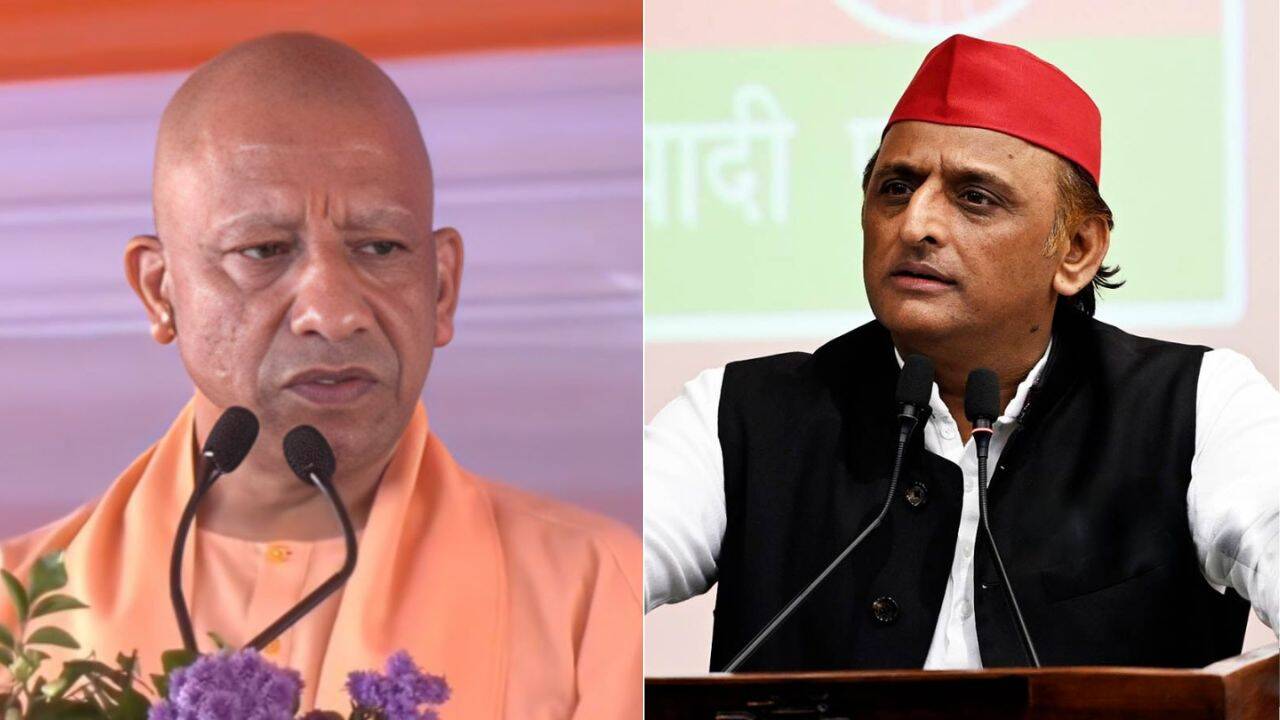
The political of Uttar Pradesh has fractured further as Chief Minister Yogi Adityanath publicly demanded an apology from opposition leader Akhilesh Yadav, citing the need to respect the sanctity of the Ram Temple site. This is not a mere verbal exchange but a calculated move to frame the upcoming visit as a test of ideological loyalty, effectively turning a religious site into a political battleground. The immediate shockwave is a heightened polarization that forces the opposition to navigate a minefield of religious sentiment while attempting to maintain a secular political identity.
The underlying tension is rooted in the institutional friction between the ruling party's narrative of cultural nationalism and the opposition's traditional secular stance. The Ram Temple has become a symbol of this divide, and any engagement with it is scrutinized for political motives. The friction is exacerbated by the fact that the temple's construction and management have become central to the state's identity, making any perceived slight or lack of reverence a potent tool for political mobilization and media warfare.
The tangible outcome of this confrontation is a further entrenchment of the ideological divide in Uttar Pradesh, which will likely influence voter behavior in upcoming elections. The casualties are not just political but social, as the discourse around the temple becomes increasingly charged, potentially alienating moderate voters who seek stability over ideological purity. This event underscores the growing role of religious institutions in shaping political alliances and the strategic use of cultural symbols in modern Indian politics.
Comments 0