2.1 Million Social Media Followers, Just 33 Votes: Rajasthan Man Suffers Stunning Electoral Defeat
Omprakash Bishnoi, a social media influencer with 2.1 million followers, suffered a significant electoral defeat by receiving only 33 votes. Despite the loss, he stated that the experience taught him the importance of connecting directly with voters beyond his online presence.
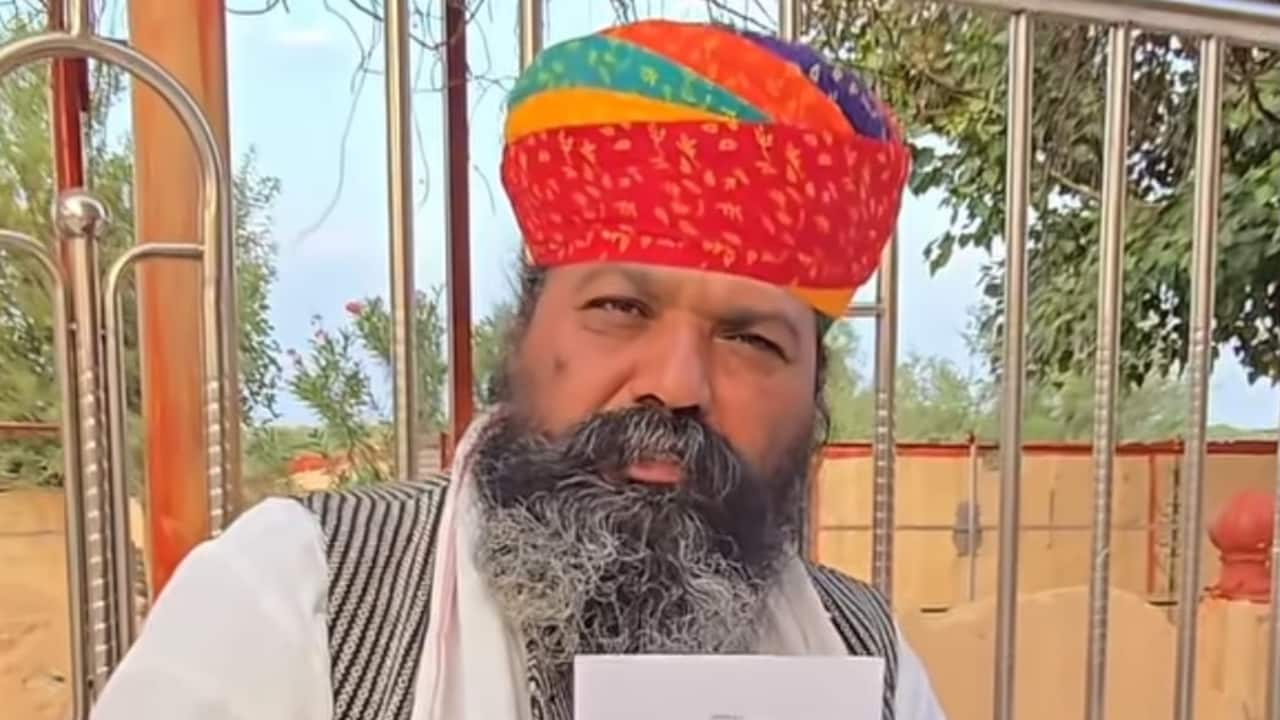
Omprakash Bishnoi, a social media personality boasting 2.1 million followers, experienced a stark reality check when he contested an election for the first time and received only 33 votes. This dramatic disparity between his online popularity and his electoral performance highlights the complex relationship between digital influence and political support. Bishnoi has taken the defeat in stride, acknowledging that his online following did not translate into votes at the polling booth. He emphasized that the experience was a valuable lesson in the importance of direct, personal engagement with voters, which cannot be replicated through social media platforms alone.
The incident serves as a case study in the limitations of social media influence in the context of Indian elections. While digital presence can raise awareness and build a brand, it does not guarantee electoral success, which often depends on ground-level mobilization, local issues, and personal connections. Bishnoi's admission that he learned the importance of connecting with voters suggests a shift in his approach, potentially focusing more on grassroots activities in the future. This outcome is a reminder to both aspiring politicians and influencers that online metrics do not always correlate with real-world political power.
For readers in India, this story is relevant as it touches on the growing trend of social media influencers entering politics. It raises questions about the credibility and effectiveness of such candidates and the expectations of voters who may be influenced by online personas. The stark contrast between Bishnoi's follower count and his vote count underscores the need for voters to look beyond digital popularity and assess candidates based on their policies, track record, and local engagement. This event may influence how future influencers approach their political ambitions and how voters evaluate their credibility.
Comments 0