Rajasthan High Court Bars Collector from Ordering Recruitment Probe
The Rajasthan High Court ruled that the district collector of Alwar lacks jurisdiction to order an inquiry into alleged irregularities in a state recruitment drive. The decision curtails a pending investigation and underscores judicial limits on administrative authority.
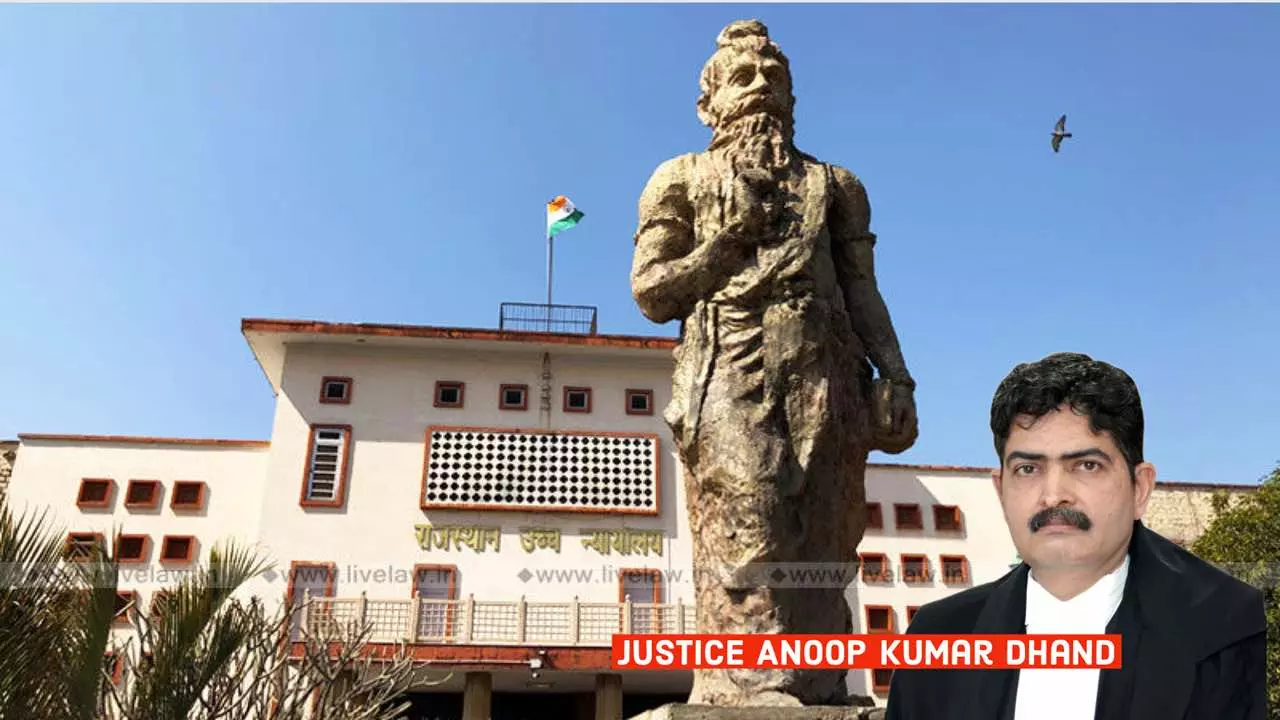
The concrete rupture occurred when the Rajasthan High Court issued a written order stating that the Alwar district collector could not direct a probe into the recruitment process that had been challenged by aspirants alleging favoritism. The court’s judgment emphasized that the collector’s powers are confined to administrative oversight, not investigative authority, thereby halting any immediate action that the collector had planned. This ruling was delivered after a petition filed by a group of candidates who claimed that the selection criteria were compromised.
Underlying this legal clash is a broader tension between bureaucratic agencies and the judiciary in Rajasthan, where recruitment scandals have periodically erupted, eroding public confidence in merit‑based appointments. The high court’s intervention reflects a pattern of judicial scrutiny over state employment practices, aiming to preserve procedural integrity. At the same time, the decision reveals the limits of executive power when faced with allegations of corruption, prompting officials to reconsider the mechanisms through which they address such grievances.
The downstream effects include a likely slowdown in the finalisation of the recruitment results, as the department must now seek an alternative investigative pathway, possibly through an independent commission. Candidates awaiting appointments face prolonged uncertainty, which may affect staffing levels in the concerned departments. Moreover, the judgment may set a precedent for future challenges to administrative actions, encouraging more litigants to seek judicial relief in similar matters, thereby influencing the balance of power between state agencies and the courts.
Comments 0