A 65% Surge in Rice Prices Exposes the Fragility of India’s Food Security
Despite being a surplus state, Telangana is witnessing a dramatic 65% spike in rice prices, severely impacting household budgets and exposing deep structural flaws in the agricultural supply chain. This inflationary shock threatens to erode the purchasing power of millions and destabilize the political economy of a key grain-producing region.
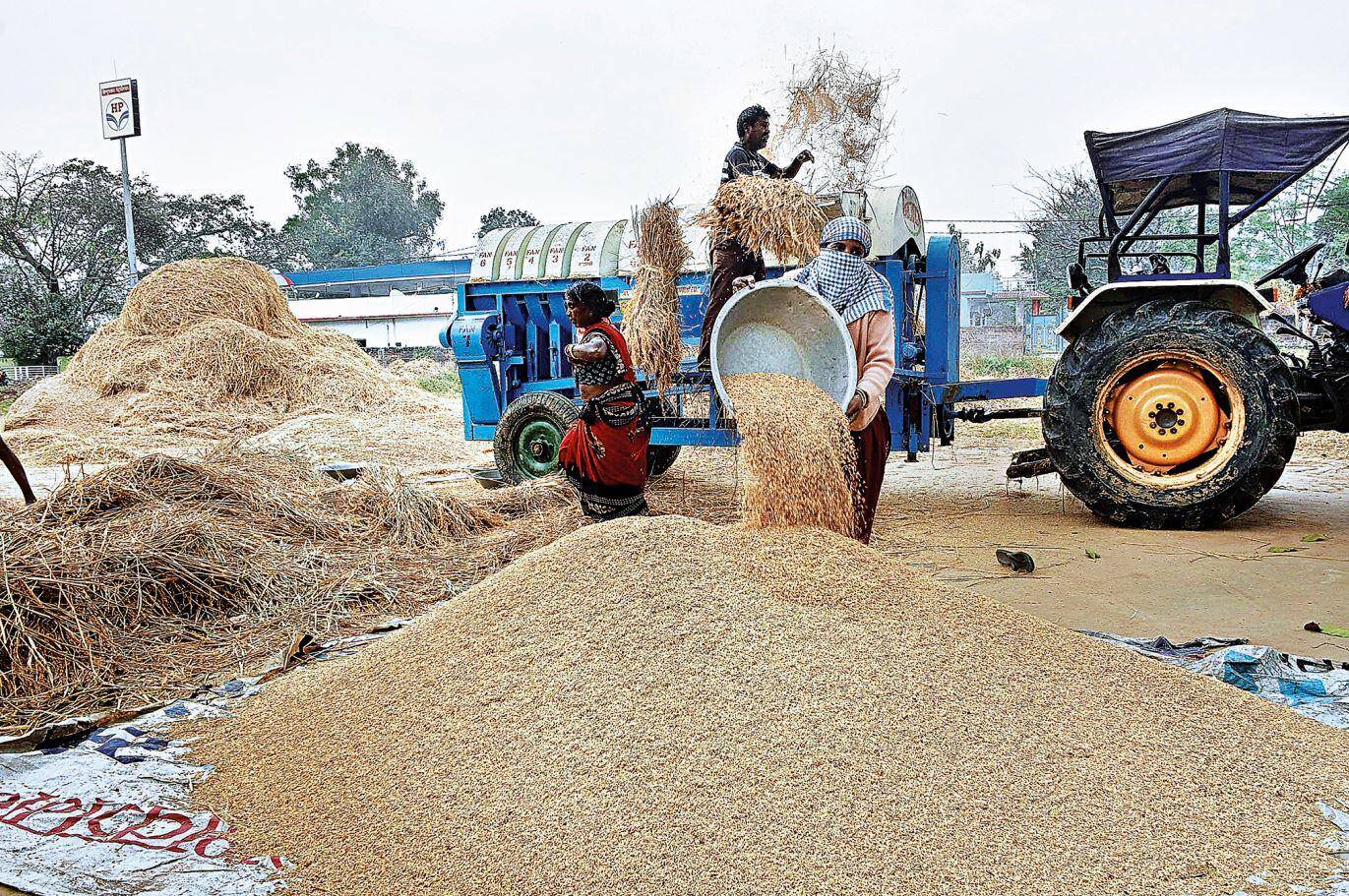
The sudden and steep rise in rice prices in Telangana represents a concrete rupture in the relationship between agricultural production and consumer affordability. A 65% increase in a staple food item is not merely a market fluctuation; it is a signal of systemic failure in distribution, storage, and market regulation. For households in the state, this price shock translates into immediate financial strain, forcing families to cut back on other essential expenditures or reduce their consumption of protein-rich foods. The irony of this surge occurring in a state known for its agricultural surplus highlights the disconnect between farm-gate prices and retail realities, a gap that has widened in recent years due to logistical bottlenecks and speculative hoarding.
The underlying tension stems from the complex interplay of government procurement policies, private trader behavior, and global commodity trends. While the central government’s Minimum Support Price (MSP) aims to protect farmers, it often fails to translate into lower prices for consumers, particularly when supply chains are fragmented. In Telangana, the rise in prices may be exacerbated by the withdrawal of stock from government warehouses or the influence of private traders who capitalize on perceived shortages. This institutional friction between policy intent and market reality creates an environment where inflation becomes a persistent feature rather than a temporary anomaly, undermining the credibility of economic management.
The tangible outcome of this price surge is a shift in the political , as food inflation remains the most potent driver of voter sentiment in India. Political parties in Telangana and across the country will be forced to address this issue with concrete measures, such as increased subsidies, direct cash transfers, or stricter price controls, to prevent a loss of public trust. For the broader Indian economy, this episode serves as a warning that food security is not guaranteed by production alone but depends on the efficiency of the entire value chain. If left unaddressed, such price spikes could trigger a broader inflationary spiral, impacting the Reserve Bank of India’s monetary policy and slowing economic growth.
Comments 0