Administrative Redrawing in Pune: Baramati Among Eight Tehsils Targeted for Strategic State Reclassification
The inclusion of Baramati and seven other tehsils within a special state administrative list has signaled impending bureaucratic restructuring in Maharashtra. This reclassification carries significant weight for regional political influence and resource allocation.
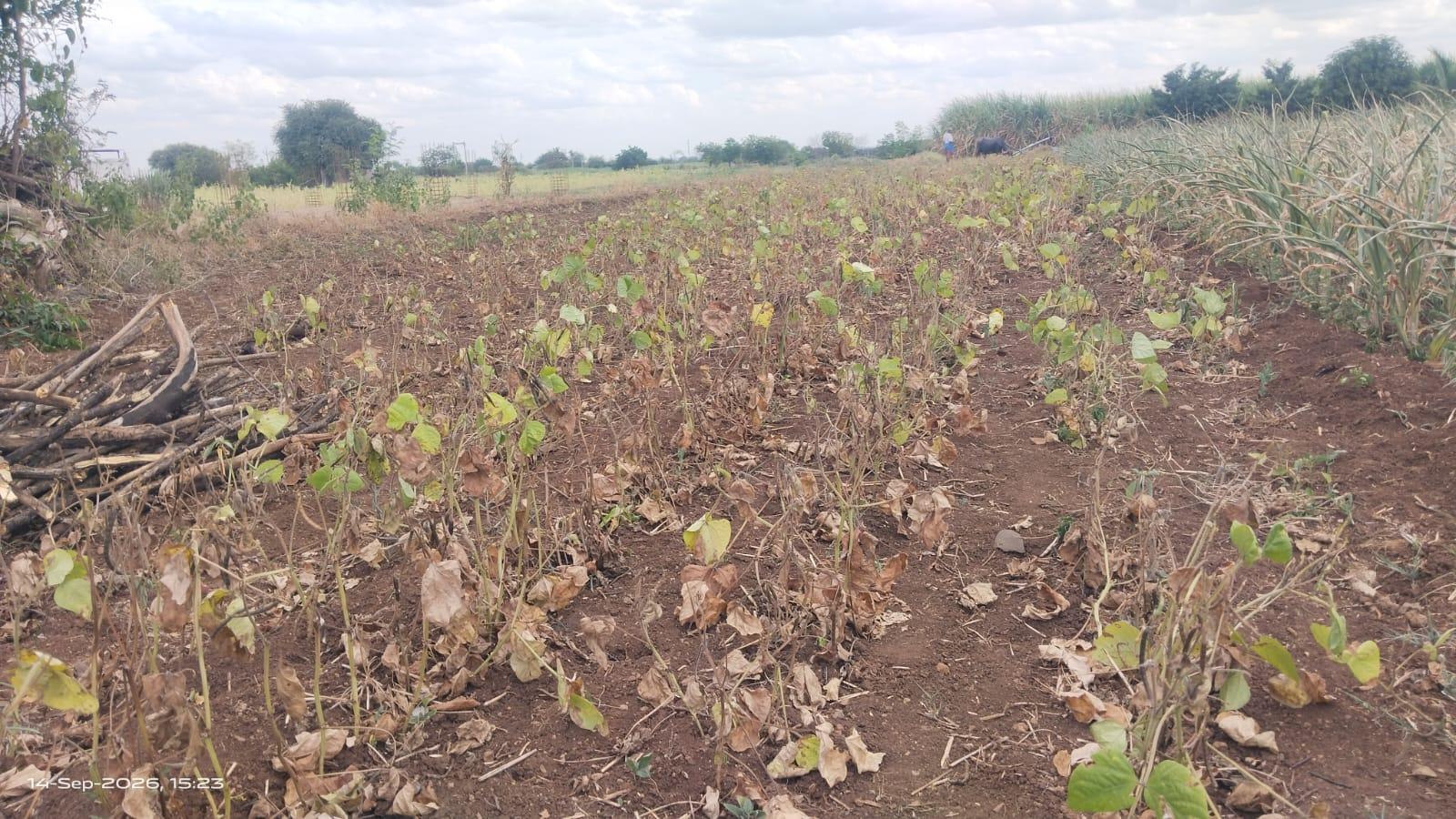
The Maharashtra state government's decision to list Baramati alongside seven other Pune district tehsils has ignited intense administrative maneuvering across the political spectrum. Baramati, long serving as a foundational power center for regional political dynasties, now faces a revised bureaucratic framework that could alter developmental fund distribution. Local administrative bodies are scrambling to assess the fiscal and regulatory implications of this state-level designation. The underlying tension revolves around the delicate balance of political patronage and administrative efficiency in rural Maharashtra. Opposition leaders view the reclassification as a calculated move to dilute traditional regional strongholds through bureaucratic intervention. State planners, conversely, maintain that the rezoning is necessary to streamline agricultural development and infrastructure spending across expanding peri-urban zones. The downstream casualty of this administrative shift is local policy continuity, as municipal departments adjust to new oversight mechanisms and reporting protocols. Resource allocation formulas will likely face protracted legal and political challenges from representatives guarding their traditional turf. The restructuring marks a moment in the ongoing modernization of Maharashtra's rural governance architecture.
Comments 0