Administrative Reshuffle Restructures Northern State Law Enforcement Leadership
The Uttar Pradesh government has reassigned thirty-five senior Indian Police Service officers in a sweeping bureaucratic overhaul. This administrative realignment alters command structures across key districts ahead of upcoming legislative cycles.
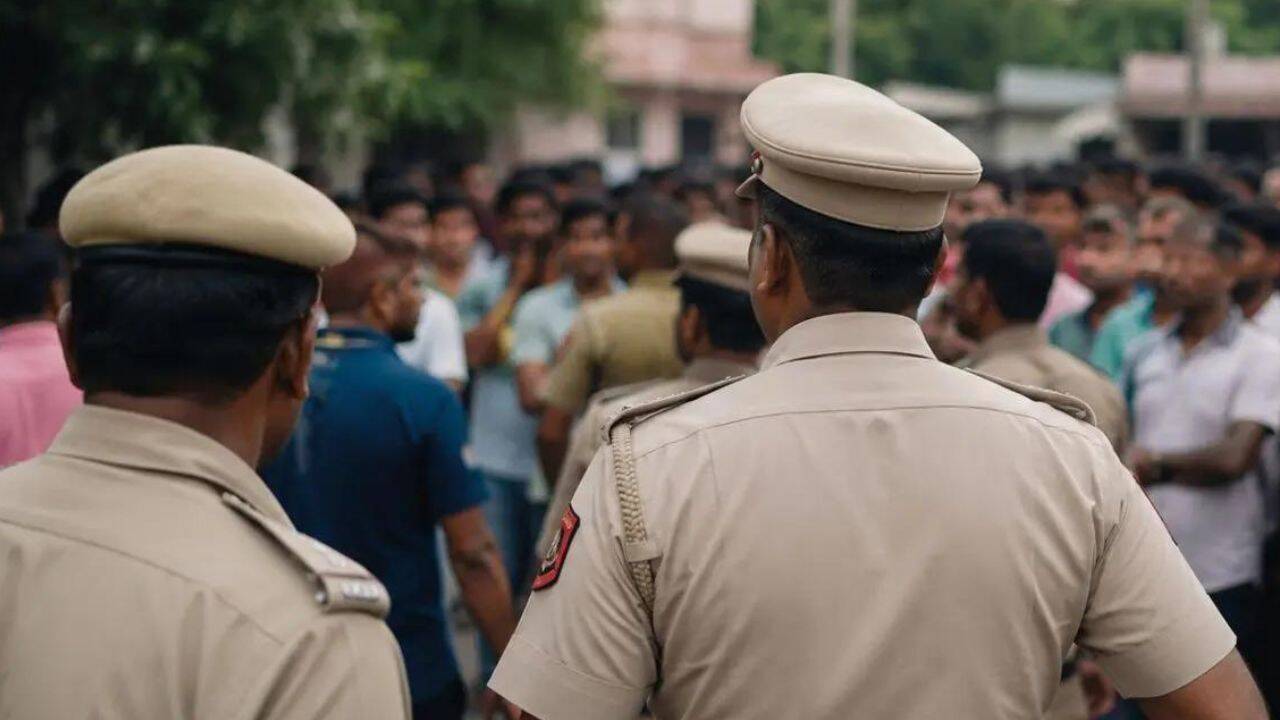
Internal administrative restructuring represents a primary instrument for executive governance within the state apparatus. By reassigning high-ranking police officials to new regional commands, the state government seeks to recalibrate local law enforcement priorities and improve administrative responsiveness. Such mass transfers frequently signal an official pivot toward stricter regulatory enforcement and targeted security measures. Bureaucratic friction often accompanies these large-scale reassignments, disrupting established intelligence networks and regional operational continuity. Career officers find themselves navigating new political dynamics while attempting to assert operational control over volatile districts. The executive branch utilizes these rotations to align regional command centers with central administrative objectives. Incoming commanders inherit distinct localized challenges, ranging from organized crime syndicates to complex public order maintenance. The immediate outcome is a period of internal adjustment within police departments across the state. Long-term impacts depend on the administrative efficacy of the newly appointed leadership cadre in addressing persistent security metrics.
Comments 0