Afghanistan's Educational Exile: 2.6 Million Girls Left Behind
A United Nations report reveals that over 2.6 million Afghan girls have been denied secondary education since 2021, exposing the long-term human cost of the Taliban's restrictions. The exclusion has pushed these girls into heightened risks of child labor, abuse, and early marriage, creating a demographic crisis with global implications.
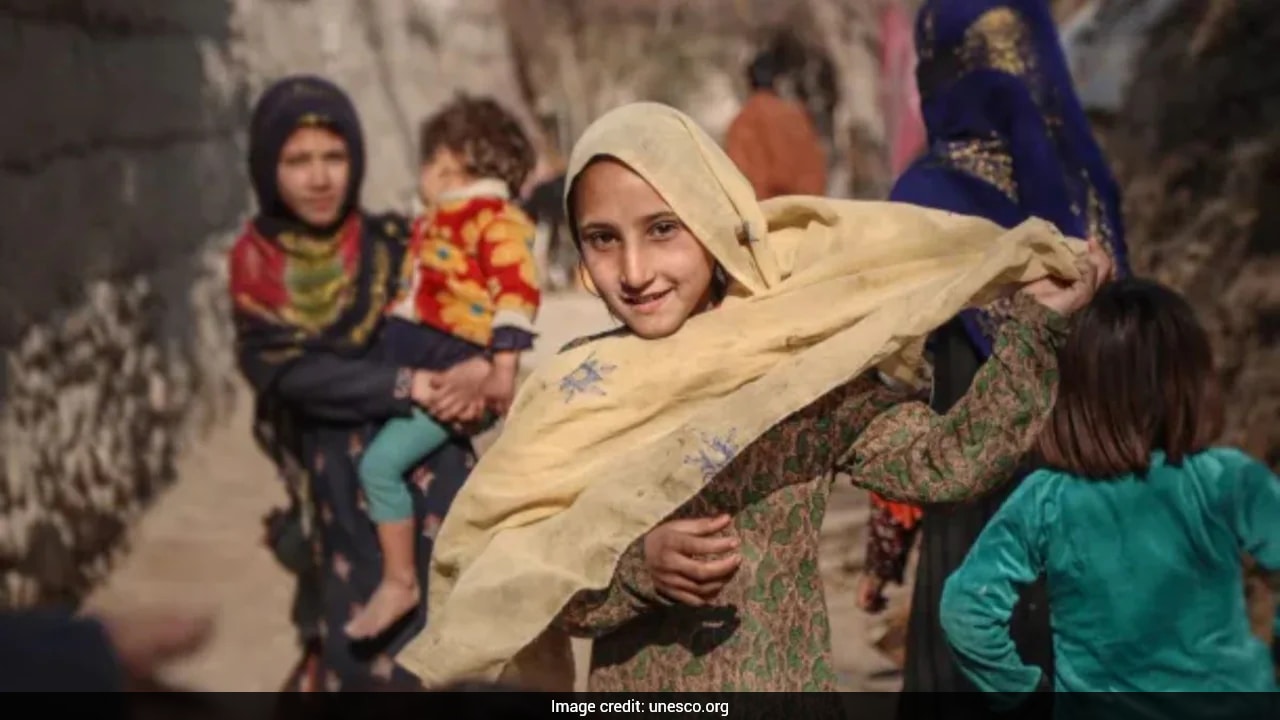
The United Nations has laid bare the scale of an educational catastrophe in Afghanistan, where 2.6 million girls have been barred from secondary schools since 2021. This is not merely a statistic but a profound rupture in the social fabric of a nation, where the denial of education has become a tool of systemic control. The report highlights that these girls are not simply out of school but are being funneled into a cycle of vulnerability, facing increased risks of child labor, abuse, and forced early marriage.
The underlying tension in this crisis is the clash between the Taliban's ideological mandate and the international community's commitment to gender equality and human rights. For years, the global response has been fragmented, lacking the unified pressure needed to reverse these policies. The institutional friction is evident in the gap between diplomatic condemnations and the tangible reality on the ground, where the exclusion of girls from education is being normalized as a permanent feature of Afghan society.
The downstream consequences of this educational exile are already manifesting in a generation of women who are being systematically marginalized from the workforce and public life. This demographic shift will have ripple effects beyond Afghanistan, influencing migration patterns, regional stability, and the global labor market. The tangible outcome is a loss of human capital that will take decades to recover, with the potential to destabilize the region further as the economic and social costs of this exclusion continue to mount.
Comments 0