AI Camera Error Sparks Outrage Over Delhi Traffic Fines, Exposing Tech Flaws
A Delhi resident has challenged a 2,000 rupee overspeeding fine issued by an AI camera, citing that the camera’s location data points to the Atlantic Ocean. This incident highlights the critical flaws in the automated traffic enforcement system and the lack of accountability for technological errors.
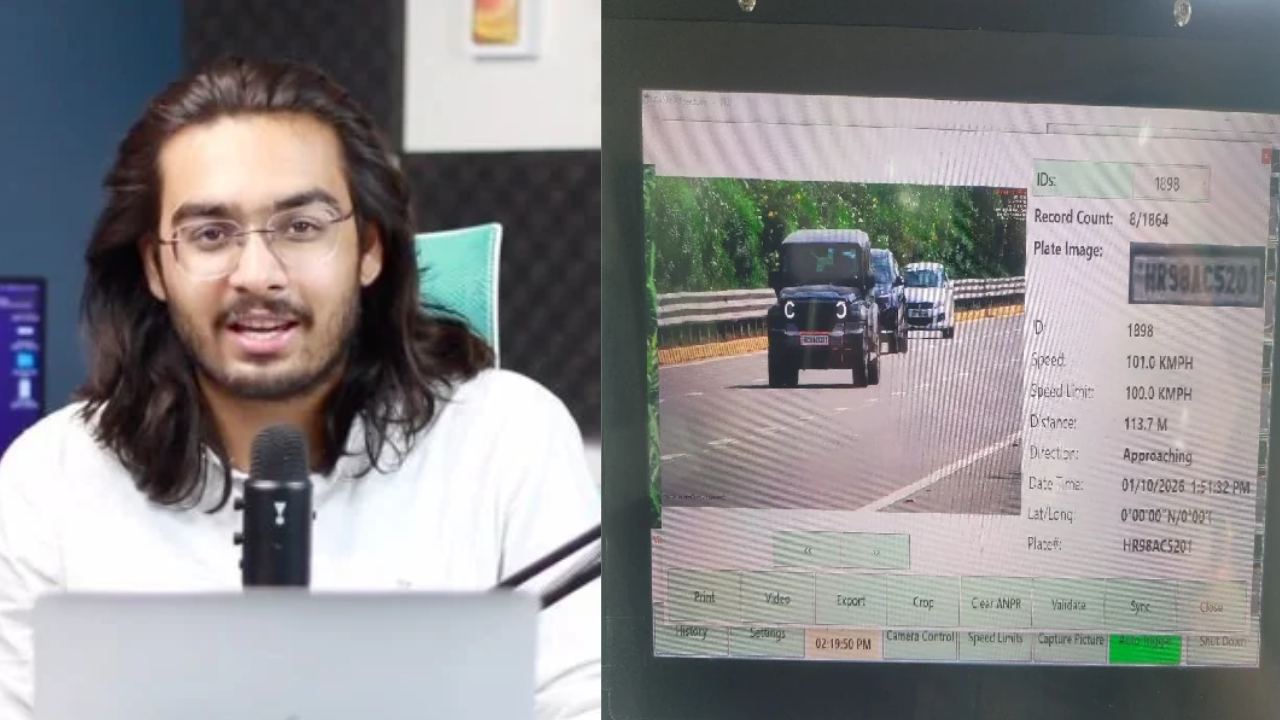
A resident of Delhi has raised a serious challenge to a 2,000 rupee overspeeding fine issued by an AI camera, arguing that the camera’s location data is erroneous and points to the Atlantic Ocean. This is not a minor bureaucratic error but a significant failure in the automated traffic enforcement system, which is supposed to be a reliable and accurate tool for maintaining road safety. The incident has sparked outrage among drivers who are increasingly frustrated by the lack of transparency and accountability in the use of AI for traffic management.
The underlying tension is the rapid deployment of AI technology in public services without adequate safeguards or oversight. The traffic police have relied on AI cameras to increase the efficiency of fine collection, but the technology has proven to be prone to errors, leading to unfair penalties for innocent drivers. This institutional friction reflects a broader issue in the adoption of new technologies: the lack of robust testing and validation processes, which has resulted in a system that is more focused on revenue generation than on accuracy and fairness.
The tangible outcome of this incident is a public backlash against the use of AI in traffic enforcement, with calls for a thorough review of the system’s reliability. The downstream casualties are the drivers who have been unfairly fined, and the public trust in the traffic police, which has been further eroded by this incident. The 12-month structural consequence will likely be a regulatory push for stricter standards and independent audits of AI systems used in public services, ensuring that technology is used in a fair and transparent manner.
Comments 0