Air Chief Marshal Dixit on Honey Traps: Strengthening India’s Cyber‑Intelligence Defenses
Air Chief Marshal Ashutosh Dixit has outlined India’s strategy to counter honey trap tactics, emphasizing the need for robust cyber‑intelligence frameworks and inter‑agency collaboration. The immediate shockwave has prompted the Ministry of Defence to accelerate the development of counter‑espionage capabilities and to initiate joint training exercises with allied forces.
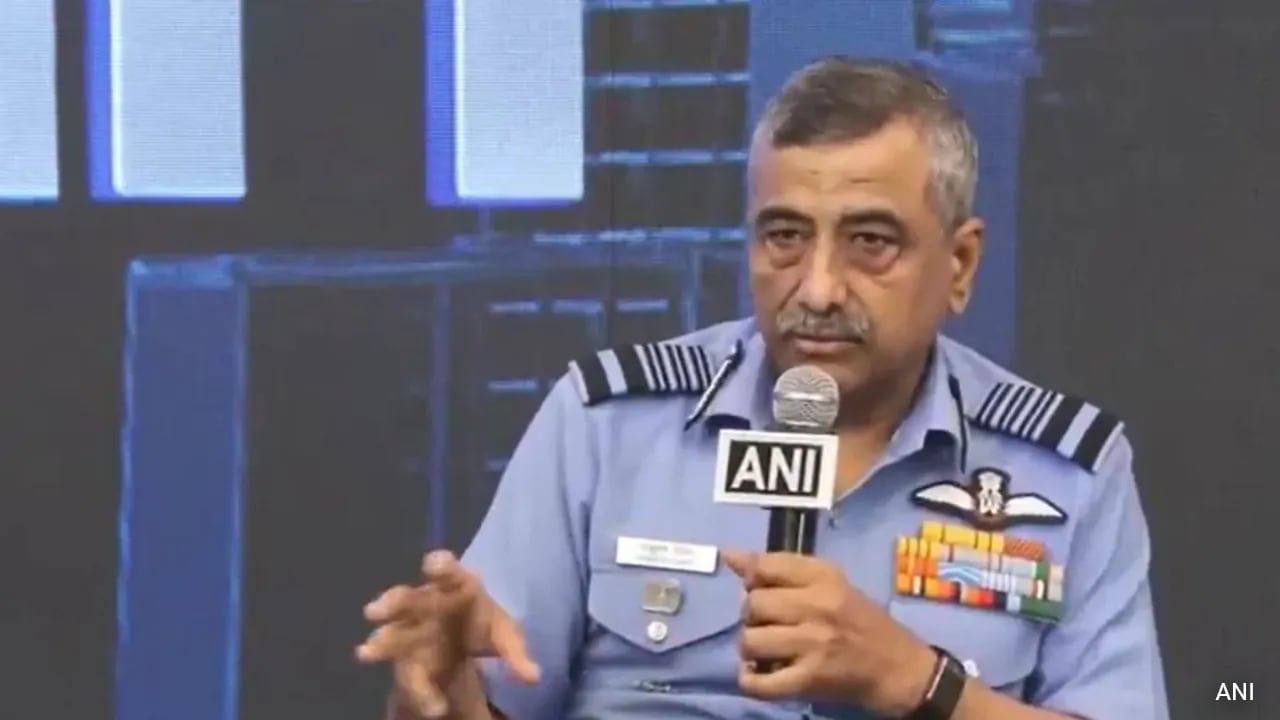
During a briefing at the Air Headquarters, Air Chief Marshal Ashutosh Dixit addressed the growing threat of honey trap operations, which exploit social media and personal relationships to compromise military personnel. He stressed that such tactics are part of a broader intelligence campaign aimed at extracting sensitive information and undermining operational security within the Indian Armed Forces.
The chief highlighted the inadequacies in current cyber‑intelligence capabilities, noting that existing protocols are insufficient to detect and neutralise covert recruitment efforts that blend human and digital manipulation. He called for the establishment of a dedicated cyber‑intelligence cell within the Defence Research and Development Organisation, tasked with monitoring social platforms and coordinating with law enforcement agencies.
The immediate fallout has seen the Ministry of Defence announce a new budget allocation for counter‑espionage training, and the Indian Air Force has begun a series of joint exercises with the United States and the United Kingdom to share best practices in cyber‑security. These measures are expected to tighten the security perimeter around critical defense infrastructure and to deter future attempts to infiltrate the military through personal enticements.
Comments 0