Air India Flight Bound for Kathmandu Aborts Journey Following Mechanical Malfunction
An international commercial flight operated by Air India was forced to execute an emergency return to New Delhi shortly after takeoff due to an unspecified technical anomaly. The incident underscores ongoing maintenance scrutiny facing major carriers operating aging aircraft fleets.
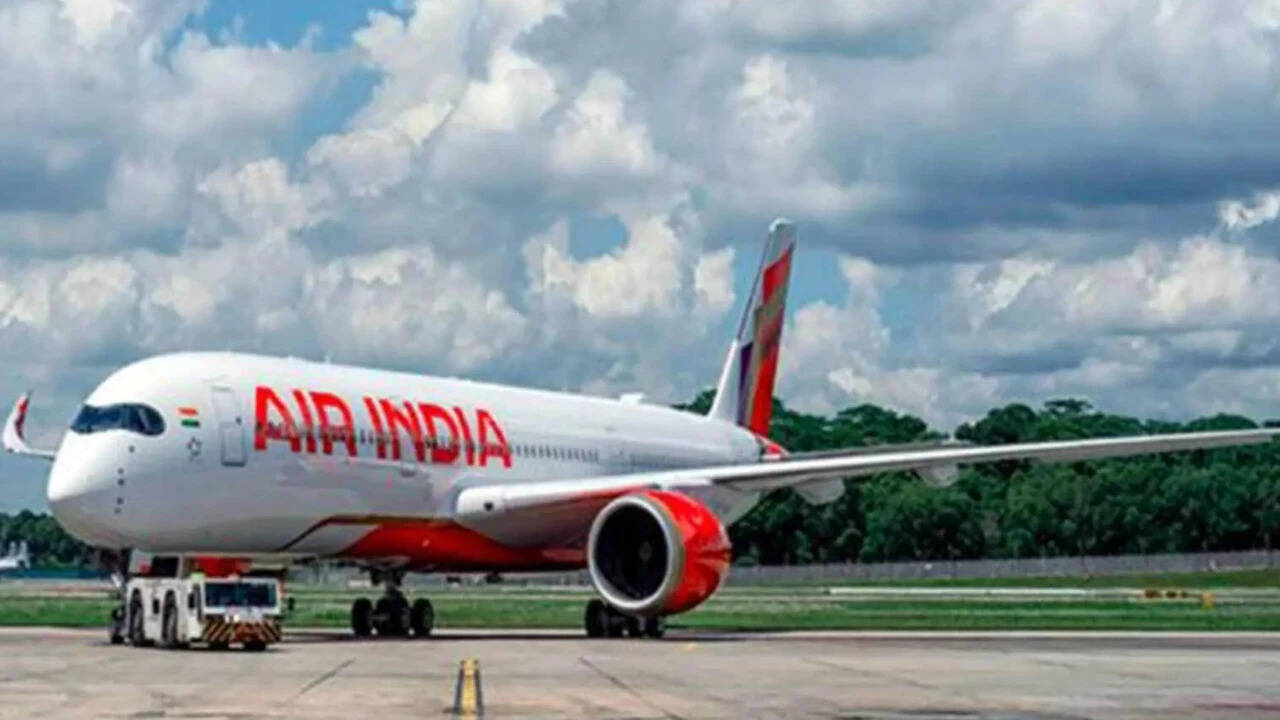
Passengers aboard an Air India service destined for the Nepalese capital experienced moments of acute anxiety when flight deck crew members detected a mechanical irregularity shortly after departure from Indira Gandhi International Airport. Following standard safety protocols, the pilot elected to burn fuel and execute a controlled return to the airline primary hub in New Delhi, where emergency landing procedures were placed on standby. The aircraft touched down safely without reported injuries, though passengers faced significant travel delays. This episode highlights the immense operational pressures confronting legacy carriers as they struggle to maintain schedule integrity amid complex supply chain bottlenecks for aircraft replacement parts. Regulatory scrutiny from civil aviation authorities has intensified, demanding rigorous compliance with maintenance schedules before widebody and narrowbody fleets are cleared for international routes. The tension between commercial demands for maximum fleet utilization and uncompromising safety mandates remains a constant operational friction point. The immediate casualty of the technical failure is passenger confidence and schedule reliability for regional routes connecting the Indian capital to neighboring Himalayan nations. Regulatory authorities are expected to audit the specific maintenance logs of the affected airframe, potentially grounding similar models for preemptive diagnostic checks. Commercial aviation carriers must increasingly balance rapid fleet expansion with uncompromising engineering standards.
Comments 0