Aviation Safety Imperatives: Air India Flight Aborts Kathmandu Journey Following Technical Malfunction
An Air India commercial flight bound for Kathmandu was forced to execute an emergency turnback to Delhi following an abrupt technical malfunction mid-flight. This incident underscores persistent maintenance and operational challenges confronting major carriers within the national airspace.
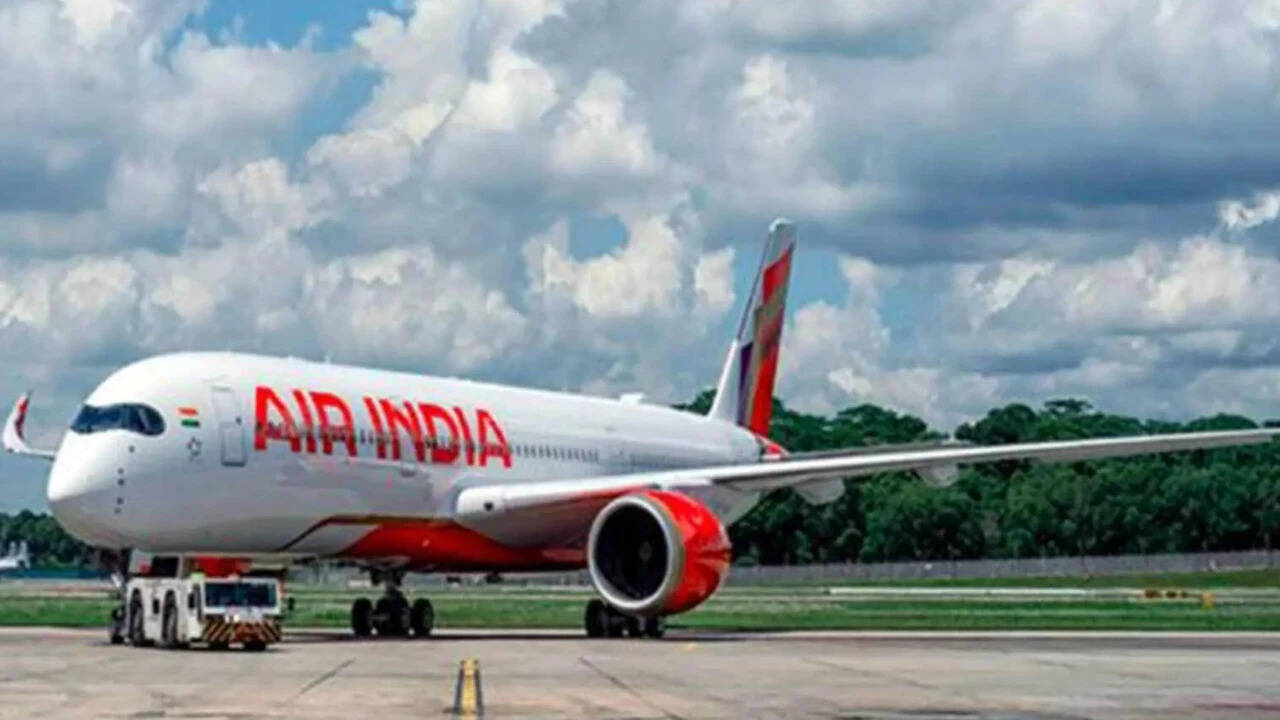
The aircraft departed Delhi under standard scheduling parameters before flight crew detected an unspecified mechanical anomaly, prompting the immediate decision to return to the point of origin. Passengers experienced significant delays as standard safety protocols mandated a comprehensive diagnostic check of the airframe upon landing. Aviation regulators monitored the incident closely to determine whether the mechanical failure stemmed from supply chain defects or maintenance oversights. The structural tension underlying such recurring aviation incidents involves severe fleet utilization pressures, acute shortages of certified aeronautical engineers, and global supply chain disruptions for replacement components. Airlines often push aging or heavily utilized aircraft into demanding regional schedules, increasing the risk of technical glitches. Regulatory bodies face mounting pressure from passenger advocacy groups to enforce stricter pre-flight safety audits. The immediate casualty of the event is passenger confidence in regional carrier reliability, compounded by cascading schedule disruptions across international routes. Air India faces renewed scrutiny regarding its fleet maintenance standards as it undergoes a massive corporate restructuring and fleet modernization program. Ensuring rigorous maintenance compliance remains the definitive test for the airline's long-term commercial turnaround.
Comments 0