Air India Hijack Drama Unfolds Around Cancer‑Survivor Passenger in Kolkata
A 55‑year‑old cancer survivor from Kolkata became the centre of an Air India hijack incident after refusing to leave his ailing wife behind. The episode highlighted security gaps and personal desperation amid health crises.
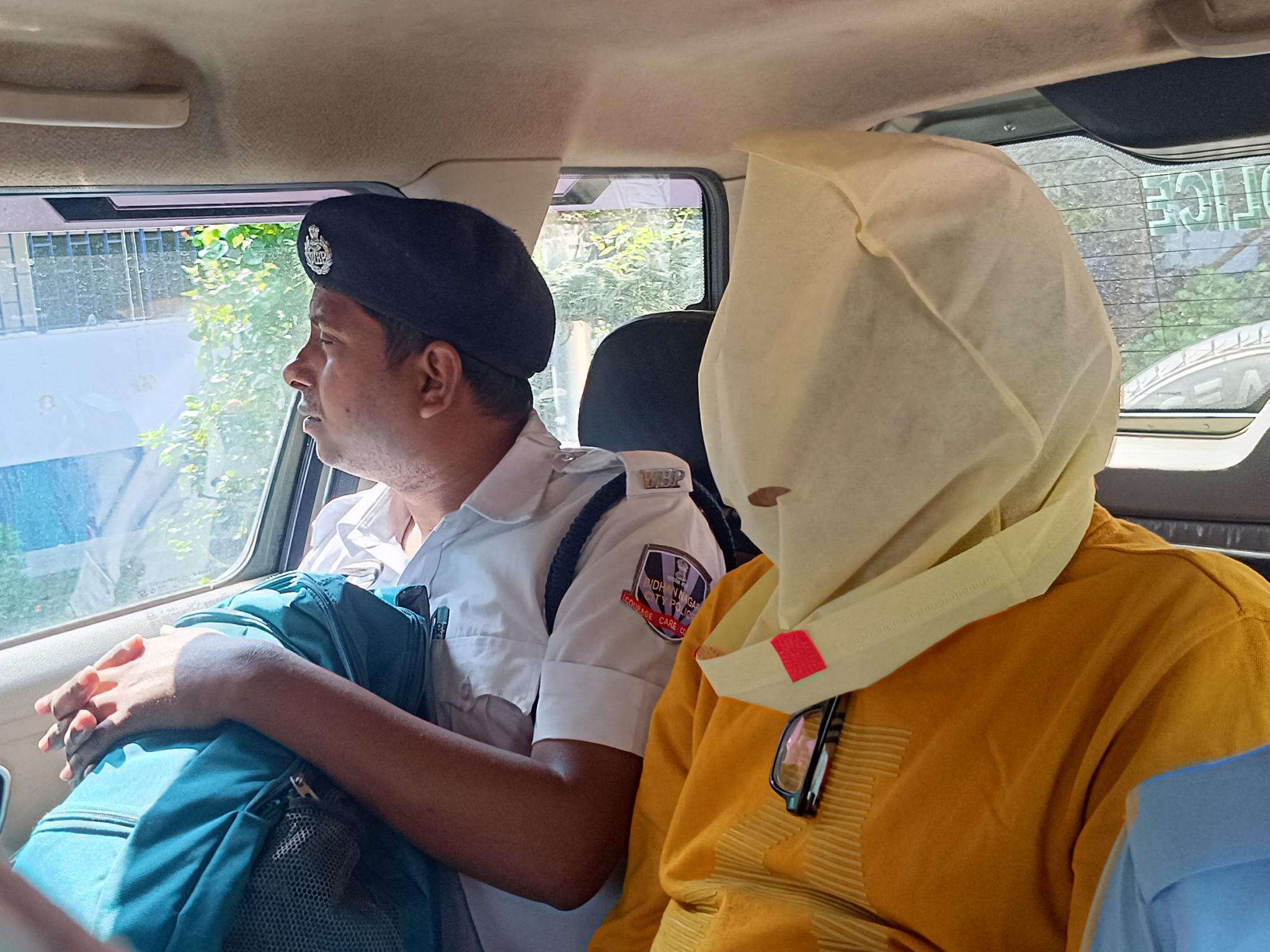
The concrete rupture materialised when Air India flight attendants reported an unusual standoff involving a middle‑aged passenger who, having survived cancer, insisted on remaining on board despite the airline's request to disembark due to a perceived security threat. The man, whose wife was gravely ill in Kolkata, argued that abandoning her would constitute a moral betrayal, prompting the crew to involve airport security and leading to a temporary grounding of the aircraft. The incident attracted extensive media coverage, with live updates on television news and social media platforms documenting the tense negotiations that eventually resolved without violence.
Underlying tension in this episode reflects broader challenges faced by airlines in balancing stringent security protocols with compassionate considerations for passengers confronting personal crises. The passenger's health background and familial obligations created a complex scenario where standard security procedures intersected with humanitarian concerns. Moreover, the incident exposed procedural ambiguities within Air India's crisis response framework, prompting internal reviews of how health‑related emergencies are managed during flight operations. The episode also resonated with public sentiment, as many observers empathised with the man's predicament while simultaneously demanding robust security safeguards.
The downstream impact of the hijack drama is likely to influence both airline policy and public discourse. Air India may institute revised guidelines that incorporate medical assessments and family support mechanisms into its security protocols, aiming to prevent similar standoffs. The incident could also spur regulatory bodies to issue clearer directives on handling passengers with serious health conditions, thereby shaping industry standards. On a societal level, the story underscores the human dimension of travel security, potentially prompting advocacy groups to lobby for more nuanced approaches that balance safety with empathy. The episode may also affect passenger confidence, influencing booking decisions and prompting airlines to enhance communication strategies during crisis situations.
Comments 0