Maharashtra Government Takes Control of Seven Sinhgad Colleges Over Salary Dispute
The state of Maharashtra assumed management of seven technical institutions run by the Sinhgad Technical Education Society after prolonged non‑payment of staff salaries and retirement benefits. The takeover signals a decisive intervention in the private education sector.
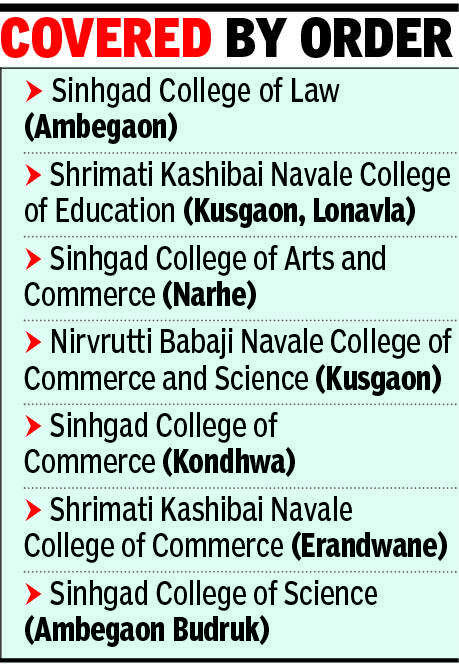
The concrete rupture unfolded when Maharashtra's education department issued an order transferring the administration of seven colleges operated by the Pune‑based Sinhgad Technical Education Society to a state‑run body for a period of three years. The decision followed months of protests by faculty and support staff who had not received regular wages or pension contributions, leading to strikes that disrupted academic calendars and threatened the academic progress of thousands of students. The state cited statutory provisions that empower it to intervene when private institutions jeopardise the welfare of their employees and the quality of education.
Underlying tension has been building between the private education industry, which has expanded rapidly in recent years, and regulatory authorities tasked with ensuring compliance with labour laws and educational standards. The Sinhgad Society, previously lauded for its technical programs, found itself under scrutiny after audits revealed chronic financial mismanagement and a pattern of delayed payments. The government's action reflects a broader concern that unchecked growth of private colleges may erode labour protections and compromise the credibility of higher education in the state. It also underscores the political pressure on the ruling party to demonstrate responsiveness to workers' grievances ahead of upcoming municipal elections.
The downstream consequences extend to students, staff, and the regional economy. With the state now overseeing the institutions, there will be an immediate restructuring of payroll systems, likely resulting in back‑pay settlements and revised benefit schemes for affected employees. Students may experience a temporary disruption as administrative processes are aligned with public‑sector protocols, but the intervention also promises greater oversight of academic standards. In the longer term, the episode may prompt other private education providers to reassess their financial practices, potentially leading to tighter regulatory scrutiny across Maharashtra and influencing policy debates at the national level regarding the balance between private initiative and public accountability in higher education.
Comments 0