Air India’s Emergency Diversion Highlights Aviation Security Gaps
An Air India flight from Frankfurt to Delhi was diverted to Jaipur after the pilot activated the hijack alert code due to a suspected threat. The incident underscores the persistent vulnerabilities in international aviation security and the immediate operational and reputational costs for the airline.
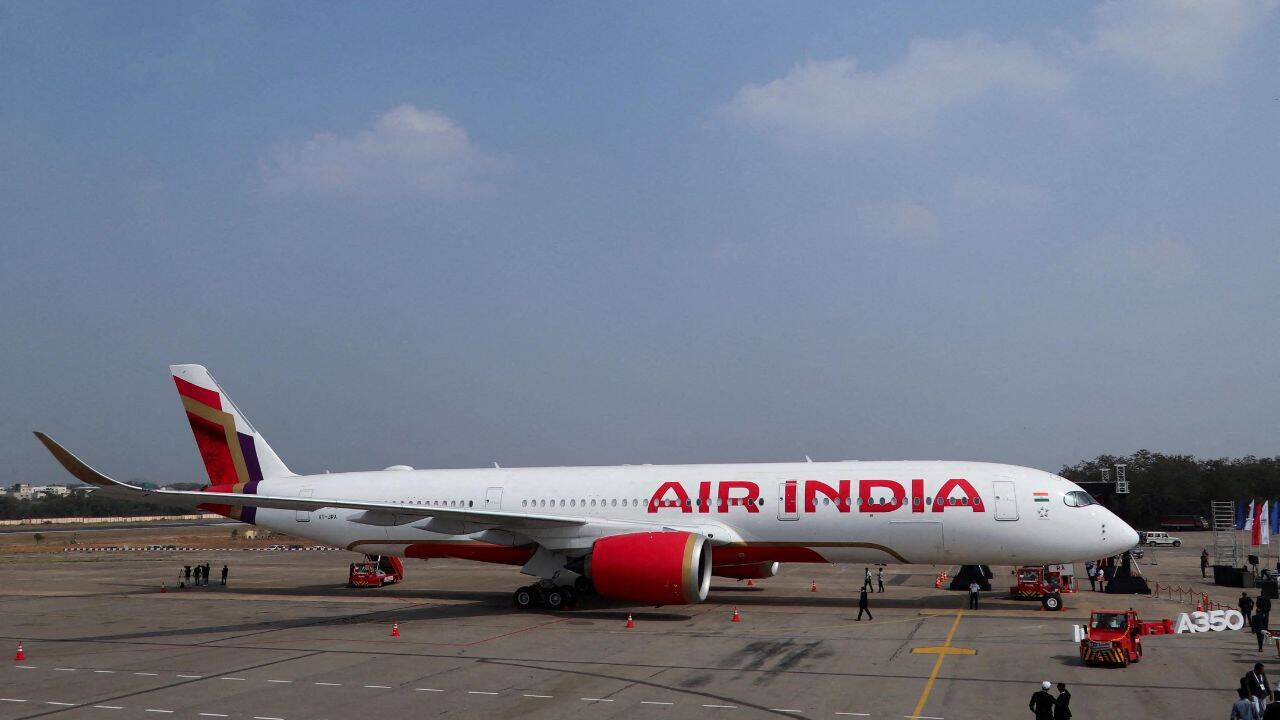
The diversion of an Air India flight to Jaipur following a suspected hijack threat is a concrete example of the ongoing challenges in aviation security. The pilot’s decision to activate the hijack alert code, a serious protocol, indicates a perceived imminent danger that required immediate action. This incident disrupts the normal flow of international travel and places a significant strain on the airline’s operations, including crew scheduling, passenger management, and regulatory compliance.
The underlying tension involves the complex interplay between global security threats and the operational realities of international aviation. The use of the hijack code suggests that the threat was deemed credible enough to warrant a change in flight path, highlighting the limitations of pre-flight security measures. This incident also raises questions about the coordination between international authorities and Indian aviation security agencies in managing such crises.
The downstream consequences include potential investigations by aviation authorities, which could lead to stricter security protocols for international flights. There may also be a reputational impact on Air India, as passengers may perceive the airline as less safe. This could affect future bookings and require the airline to invest in enhanced security measures and public relations efforts to restore confidence.
Comments 0