Akal Takht Jathedar Visits Family of Anti-Drug Activist Parvinder Jhota
The Akal Takht Jathedar's visit to the family of slain anti-drug activist Parvinder Jhota underscores the growing influence of religious institutions in addressing social issues like drug abuse. The visit highlights the intersection of faith and social activism, with the Jathedar's statement that 'the body can be destroyed, not ideology' signaling a continued commitment to the cause.
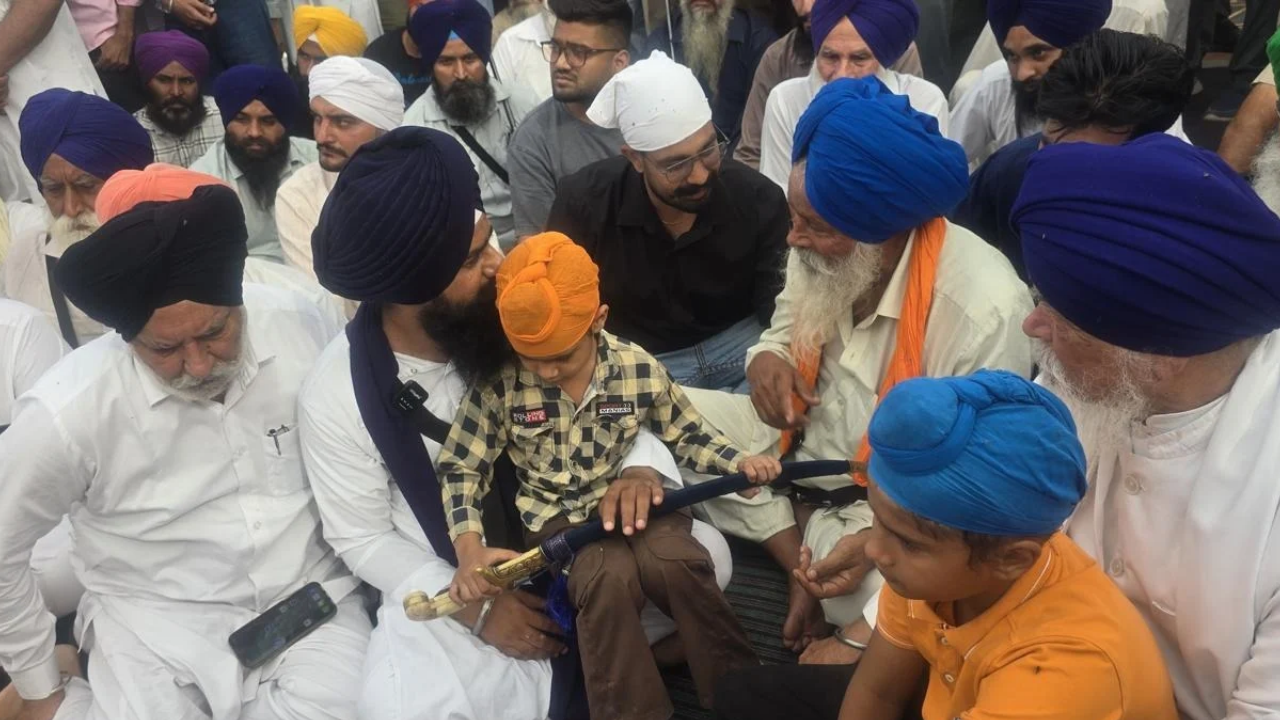
The concrete rupture in the narrative of social activism in Punjab is the visit by the Akal Takht Jathedar to the family of Parvinder Jhota, an anti-drug activist who was killed for his efforts. The visit is a powerful statement of solidarity, affirming the importance of Jhota's work in the fight against drug abuse. The Jathedar's declaration that 'the body can be destroyed, not ideology' is a rallying cry for those who continue the struggle, emphasizing the resilience of the cause despite the loss of its champion. The immediate impact of the visit is a renewed sense of purpose among activists and a broader public awareness of the dangers of drug abuse in the region.
The underlying tension is the ongoing battle between social reformers and the entrenched networks of drug trafficking. In Punjab, the drug crisis is not just a public health issue but a social and economic one, with far-reaching consequences for the community. The activism of individuals like Jhota is often met with resistance from those who profit from the trade, leading to threats and violence. The involvement of religious institutions in this fight adds a moral dimension to the issue, leveraging the authority of faith to support social change. This friction between the reformers and the traffickers is a persistent challenge, requiring sustained effort and support from all sectors of society.
The downstream consequences are significant. The visit by the Akal Takht Jathedar has likely emboldened other activists to continue their work, knowing that they have the support of a prominent religious figure. The incident has also brought greater attention to the drug crisis in Punjab, potentially leading to increased government action and public awareness. For the family of Jhota, the tangible outcome is a sense of closure and recognition of their loss. The event serves as a reminder of the power of collective action and the importance of standing up against social ills, even in the face of danger.
Comments 0