Punjab shuts down to protest anti-drug activist's murder
A statewide shutdown was organized in Punjab on Thursday to protest the killing of a well known anti drug activist. Demonstrators blocked roads, closed shops and called for swift justice.
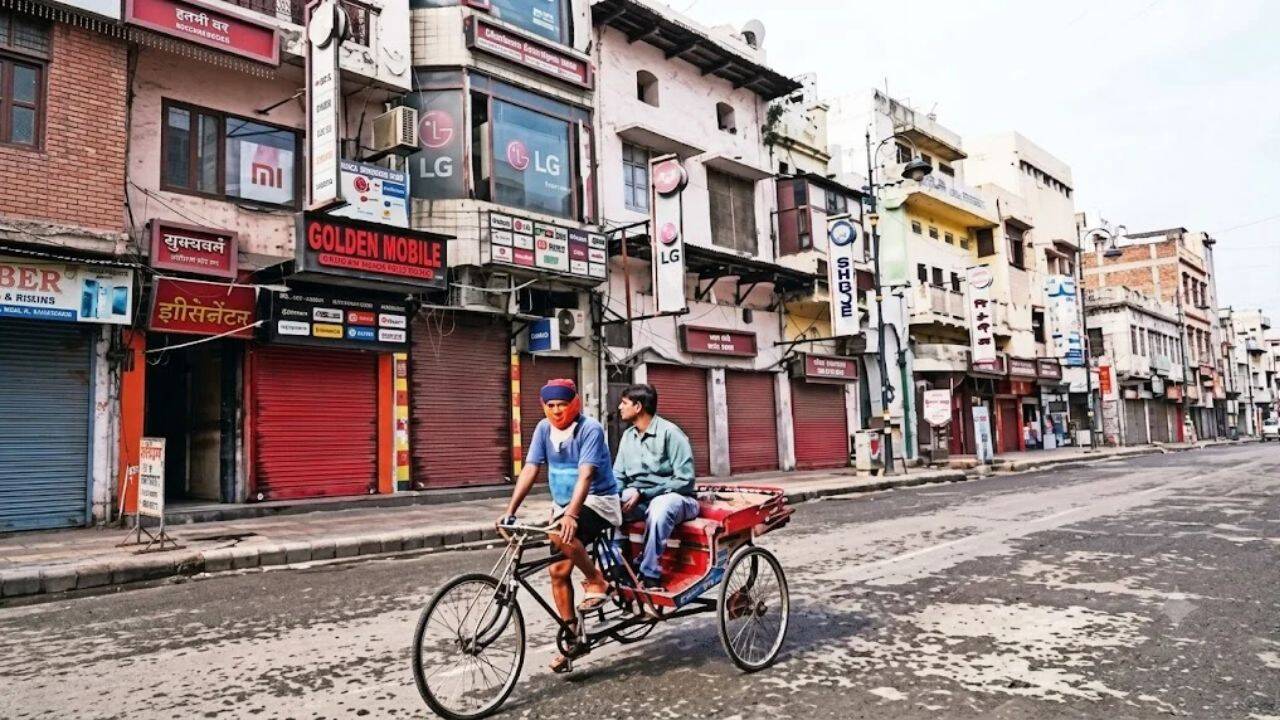
On Thursday, residents across Punjab halted normal activity to register their anger over the murder of a prominent anti drug activist. Market stalls were closed, public transport services were suspended, and major highways saw blockades erected by groups of students and community leaders. The coordinated action affected several districts, including Ludhiana, Amritsar and Patiala, where police reported large gatherings near district headquarters. Organisers said the shutdown was intended to pressure authorities to launch a transparent investigation and to send a clear message that violence against those fighting drug abuse would not be tolerated.
The slain activist had spent years documenting the spread of narcotics in rural and urban areas of the state, working closely with local NGOs and law enforcement agencies. Punjab has long struggled with a high rate of drug consumption among its youth, a problem that has been linked to unemployment, easy access to substances and cross‑border trafficking routes. The activist’s reports often highlighted gaps in enforcement and called for stronger rehabilitation programs, earning both praise from community members and hostility from criminal networks. His death has therefore been seen as an attack on the broader effort to curb addiction and protect vulnerable families.
State officials responded by promising a fast‑track inquiry and by deploying additional police personnel to maintain order during the protest. The chief minister urged citizens to resume normal life once the investigation began, while also assuring that any individuals found responsible would face the full force of the law. For readers across India, the incident underscores the ongoing challenge of drug abuse in a region that contributes significantly to the nation’s agricultural output and highlights the need for coordinated policy measures that address both supply and demand factors.
Comments 0