Alchemy of Waste As NIT Rourkela Engineers Novel Electrochemical Fertilizer Recovery from Human Urine
Researchers at NIT Rourkela have engineered an advanced electrochemical process to extract agricultural fertilizers directly from human urine. This breakthrough offers a sustainable domestic alternative to synthetic chemical imports and addresses municipal sewage management challenges.
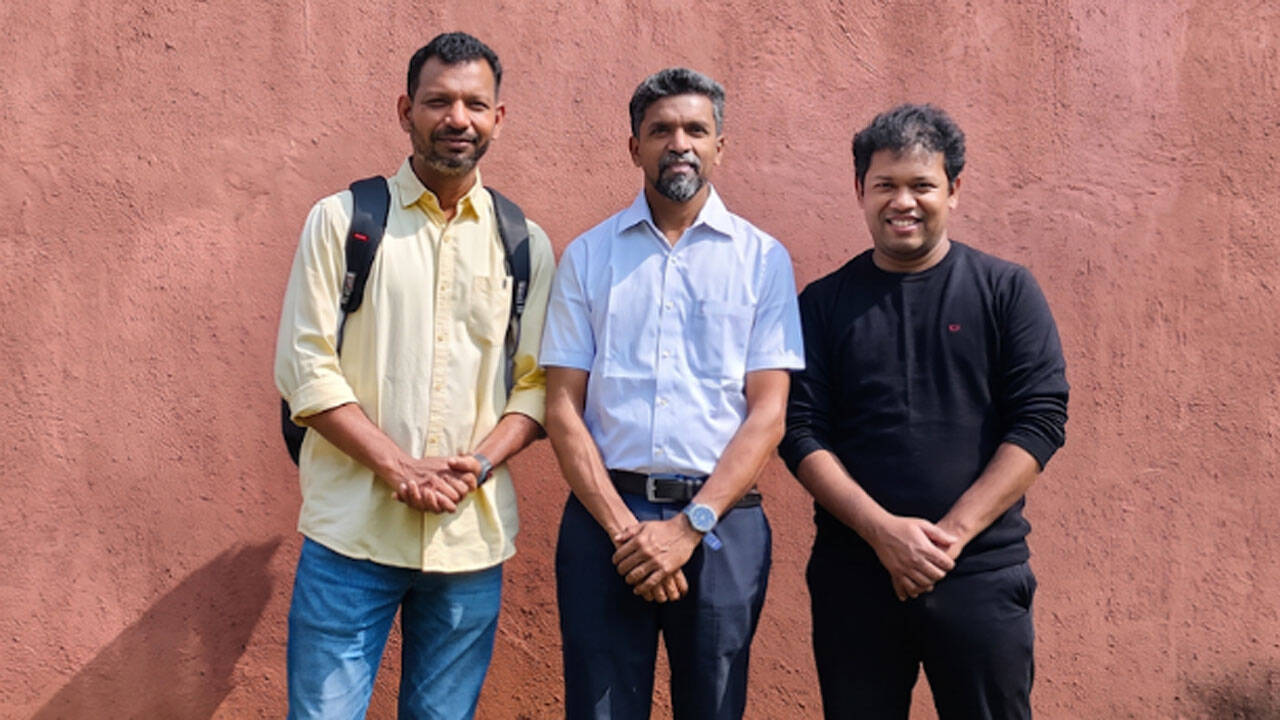
A team of researchers at the National Institute of Technology in Rourkela has developed an innovative electrochemical methodology designed to recover vital agricultural nutrients directly from human urine. By deploying specialized electrolytic cells, the scientific team successfully isolates nitrogen, phosphorus, and potassium compounds from liquid waste streams without requiring complex chemical additives. This scientific advancement offers a homegrown solution to India's heavy reliance on imported synthetic fertilizers, transforming a persistent municipal sanitation byproduct into a valuable agricultural resource.
The broader scientific community has long recognized the agricultural potential of human waste, but high energy costs and odor management have hindered scalable deployment. The NIT Rourkela process bypasses conventional biological treatment bottlenecks by utilizing direct electrochemical precipitation, significantly cutting energy expenditures and processing time. This innovation arrives as agricultural universities and policymakers seek decentralized alternatives to fossil-fuel-derived fertilizers to protect domestic soil health and lower input costs for smallholder farmers.
The immediate utility of this technology lies in its potential integration with urban sanitation infrastructure and rural decentralized wastewater treatment plants. If successfully commercialized at scale, the process could drastically reduce municipal sewage treatment burdens while supplying localized farming cooperatives with low-cost nutrient inputs. The institutional challenge ahead will involve securing industrial manufacturing partners to transition the laboratory prototype into field-ready modular units.
Comments 0