Allahabad High Court Demands Accountability As Senior Superintendent Of Police Faces Coercive Judicial Order
The Allahabad High Court ordered the Senior Superintendent of Police in Meerut to remain inside the courtroom until four in the afternoon. This punitive measure followed the police failure to execute a non-bailable warrant and produce an accused individual before the bench.
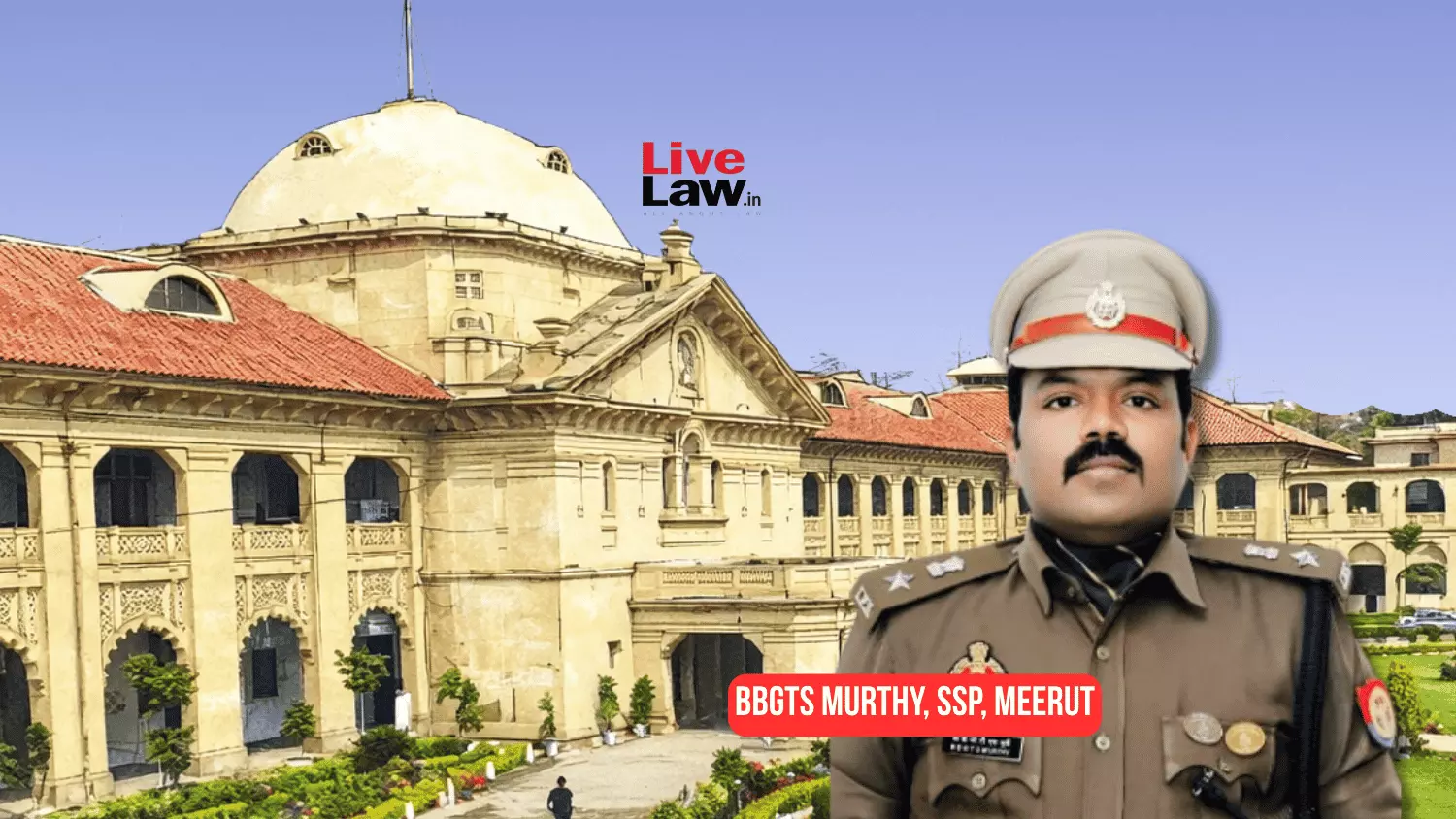
Judicial authority faced an administrative test of wills when the Allahabad High Court issued a striking directive targeting the top police leadership of Meerut. Frustrated by persistent bureaucratic inertia and the failure to execute a pending non-bailable warrant, the bench resolved to enforce accountability through direct presence. The directive commanded the Senior Superintendent of Police to suspend his routine official duties and remain confined within the judicial chambers until the designated afternoon hour, serving as an immediate reminder of institutional hierarchy and compliance.
This confrontation highlights a deeper institutional friction between the judiciary and the executive law enforcement apparatus across Uttar Pradesh. Courts frequently issue warrants that languish in local police stations due to resource constraints, administrative apathy, or competing operational priorities. When superior courts step in to penalize supervisory officers directly, it exposes the breakdown of communication channels and the systemic delays plaguing criminal procedure. The bench's insistence on physical attendance signals a shift toward punitive oversight, where judicial orders are no longer treated as aspirational guidelines by the police force.
The immediate consequence of this judicial intervention is a sharp tightening of compliance protocols within district law enforcement divisions across the state. Supervisory officers are now compelled to audit pending warrants rigorously to avoid similar public reprimands and disruptions to their daily administrative functions. While this measure may accelerate the apprehension of specific fugitives in the short term, it also strains the working relationship between the judiciary and the police administration, setting a tense precedent for future accountability hearings.
Comments 0