The Silent Fracture: Election Commissioners Defy the Cabinet Secretary in Unprecedented Internal Clash
Documents obtained through the Right to Information Act reveal that two Election Commissioners formally objected to the Cabinet Secretary's conduct and an order revising work allocations among senior officers. The central government's refusal to act on these complaints, citing their unofficial nature, exposes a deepening institutional rift that threatens the autonomy of India's electoral watchdog.
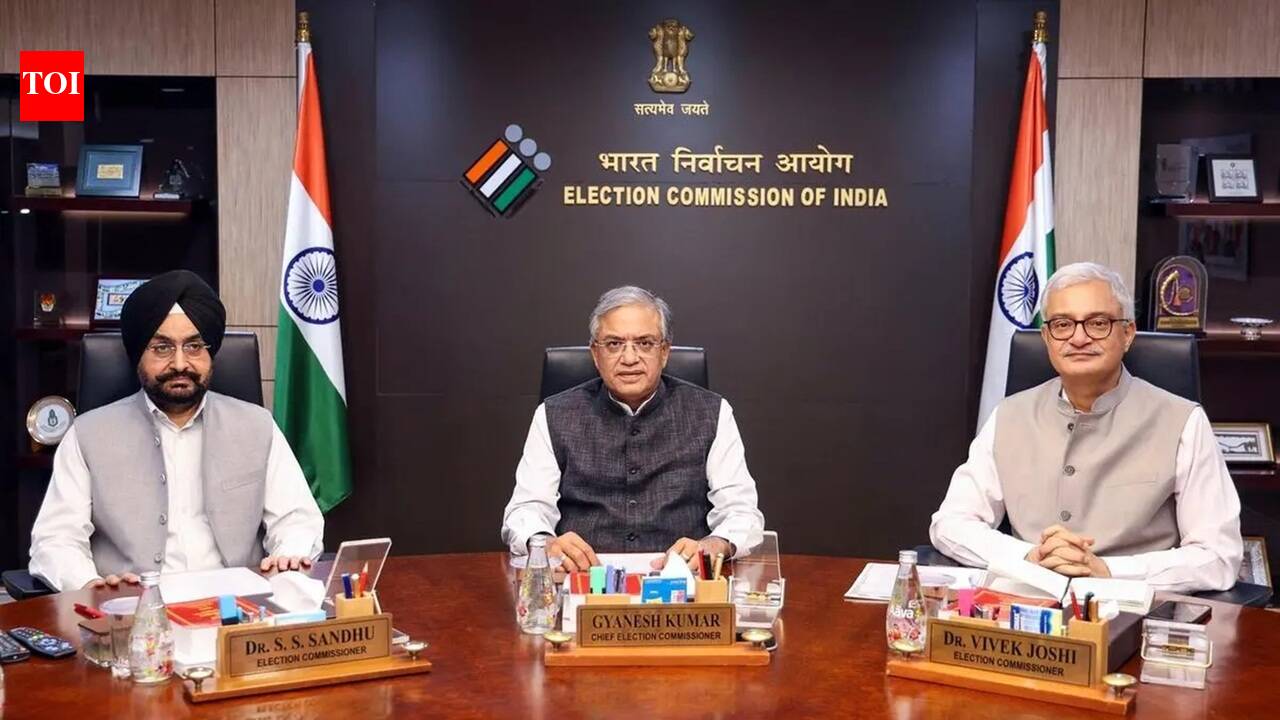
The rupture within India's administrative hierarchy has moved from whispered speculation to documented reality. Two Election Commissioners, in separate but near-identical letters dated July 29, lodged formal objections with Secretary Somanathan regarding his conduct and a specific order that altered the distribution of duties among senior officers. This is not a minor bureaucratic disagreement; it is a direct challenge to the operational independence of the Election Commission, an institution whose integrity underpins the entire democratic process. The letters, now public, serve as a stark indictment of the encroachment of executive power into the domain of electoral administration, marking a significant departure from the norm of institutional deference.
The underlying tension stems from a fundamental disagreement over the scope of the Cabinet Secretary's authority in matters pertaining to the Election Commission. By issuing orders that revise work allocations, the Secretary effectively bypassed the internal protocols that preserve the Commission's autonomy, a move that the Commissioners viewed as an overreach. The government's subsequent dismissal of these complaints as unofficial is a strategic maneuver that seeks to normalize such interference while avoiding a formal constitutional crisis. This institutional friction is not merely about administrative procedure; it is a contest for control over the machinery that determines the outcome of elections, raising profound questions about the balance of power in a parliamentary democracy.
The downstream casualties of this conflict are the public's trust in the electoral process and the long-term stability of democratic institutions. If the Election Commission is perceived as subordinate to the executive, the legitimacy of every future election is compromised, potentially leading to increased political polarization and social unrest. The tangible outcome is a weakened institutional framework that may struggle to withstand the pressures of upcoming electoral cycles. This incident sets a dangerous precedent, suggesting that the boundaries between the executive and the judiciary, as well as between the executive and independent regulatory bodies, are becoming increasingly porous, with severe implications for the rule of law.
Comments 0