Amit Shah to Lead BJP's Karnal Padyatra
Union Home Minister Amit Shah is set to lead the BJP's Karnal padyatra on November 5, a strategic move to consolidate support in the Haryana region. The event signals the party's focus on grassroots mobilization ahead of upcoming state elections.
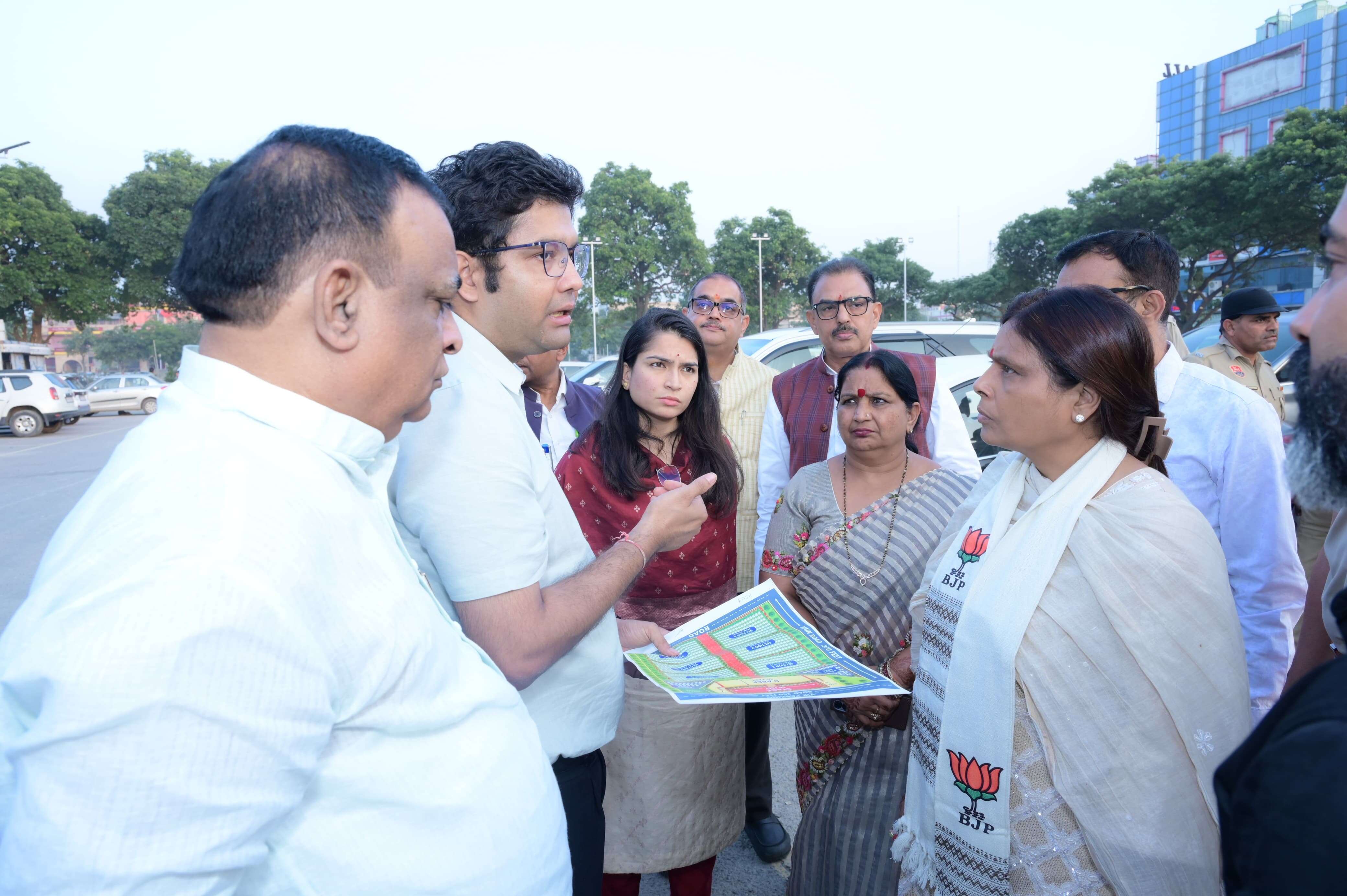
The concrete rupture is the strategic deployment of political capital in a key electoral battleground. Amit Shah, a central figure in the BJP's organizational machinery, will lead the Karnal padyatra, a foot march that serves as both a religious and political symbol. This event is not merely a ceremonial act but a calculated effort to energize the party's base and project strength in Haryana, a state that has been a swing vote in recent national elections. The immediate shockwave is a surge in political activity, with local leaders and volunteers mobilizing to support the march, creating a visible display of party unity and determination.
The underlying tension is the competitive nature of Haryana's political , where the BJP faces stiff competition from the Aam Aadmi Party and the Congress. The padyatra is a response to this challenge, aiming to counter the opposition's narrative and reinforce the BJP's message of development and stability. The institutional friction is evident in the coordination required to organize such a large-scale event, involving logistics, security, and media management. This effort reflects the party's commitment to maintaining its grip on power through sustained, on-the-ground engagement with voters, rather than relying solely on national-level campaigning.
The downstream casualties are political and social. For the opposition, the padyatra poses a challenge in terms of counter-mobilization, as they must find a way to match the BJP's energy and reach. For the public, the event may polarize opinions, with supporters viewing it as a sign of strong leadership and critics seeing it as a display of political muscle. The tangible outcome is a heightened sense of political awareness and engagement in Haryana, which could influence voter behavior in the upcoming elections. The structural consequence is a more competitive and dynamic political environment, where grassroots mobilization becomes a key determinant of electoral success.
Comments 0