Ancient Poseidon statuette sheds light on Kolhapur's global past
Archaeologists have uncovered a small bronze statuette of the Greek sea god Poseidon at a site near Kolhapur. The find suggests that ancient trade routes may have linked western India with the Mediterranean world.
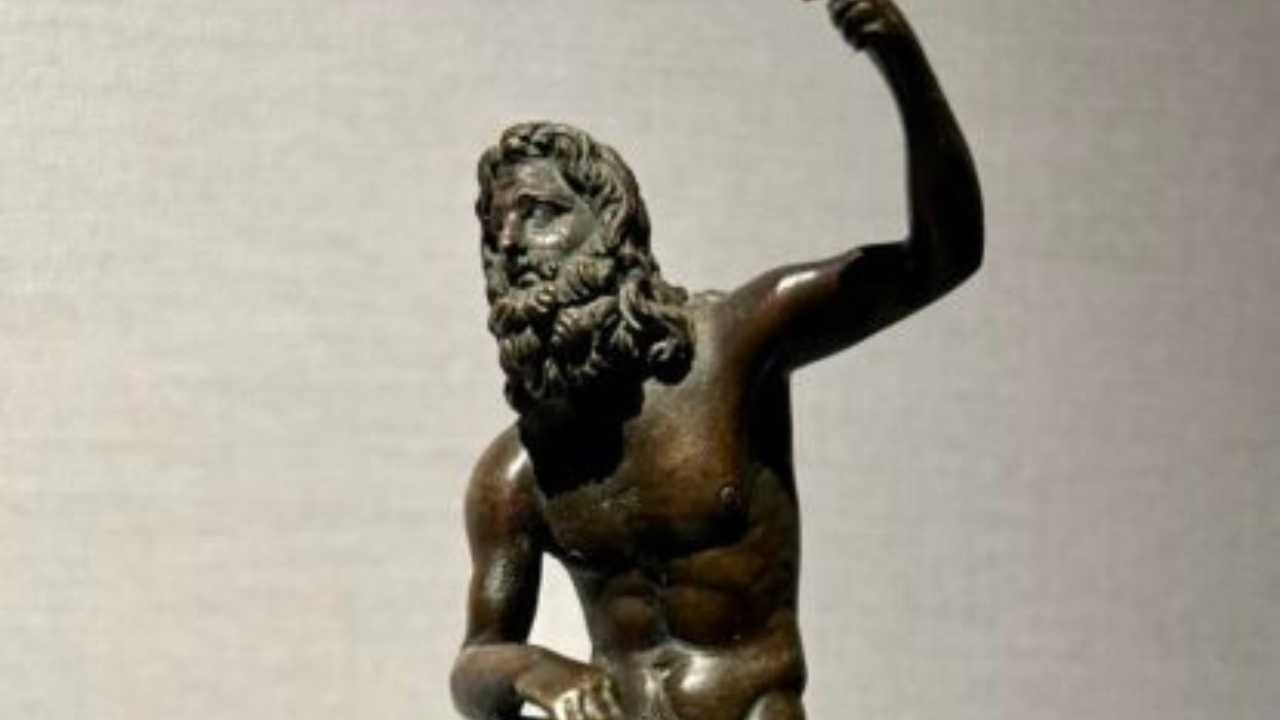
The bronze figure, measuring just a few centimeters in height, was discovered during routine excavations at a burial mound on the outskirts of Kolhapur. Specialists from the National Museum identified the deity by the characteristic trident and the flowing beard typical of classical representations. The artifact is dated to the early centuries of the Common Era, a period when maritime commerce along the western coast of India was flourishing.
Scholars note that similar objects have been found in coastal sites such as Arikamedu and Muziris, indicating a pattern of cultural exchange. The presence of a Greek deity in a region traditionally associated with Hindu and Buddhist art points to the movement of merchants, artisans, and ideas across the Indian Ocean. Historians argue that such items were likely acquired through trade rather than conquest, reflecting a mutual curiosity between distant societies.
For readers in India, the discovery underscores the long‑standing connections between the subcontinent and far‑away civilizations, challenging the notion that ancient India was isolated. It also highlights the importance of preserving archaeological sites in rapidly developing regions, as each new find can reshape our understanding of the past. Continued study of the statuette may reveal more about the materials and techniques used by ancient craftsmen, offering fresh insight into early global interactions.
Comments 0