Andhra Pradesh's Political Shifts with New Party Launch
Vijayasai Reddy, a former loyalist of Jagan Reddy, has launched a new political party in Andhra Pradesh. This move signals a fragmentation within the ruling coalition and introduces a new variable in the state's political dynamics.
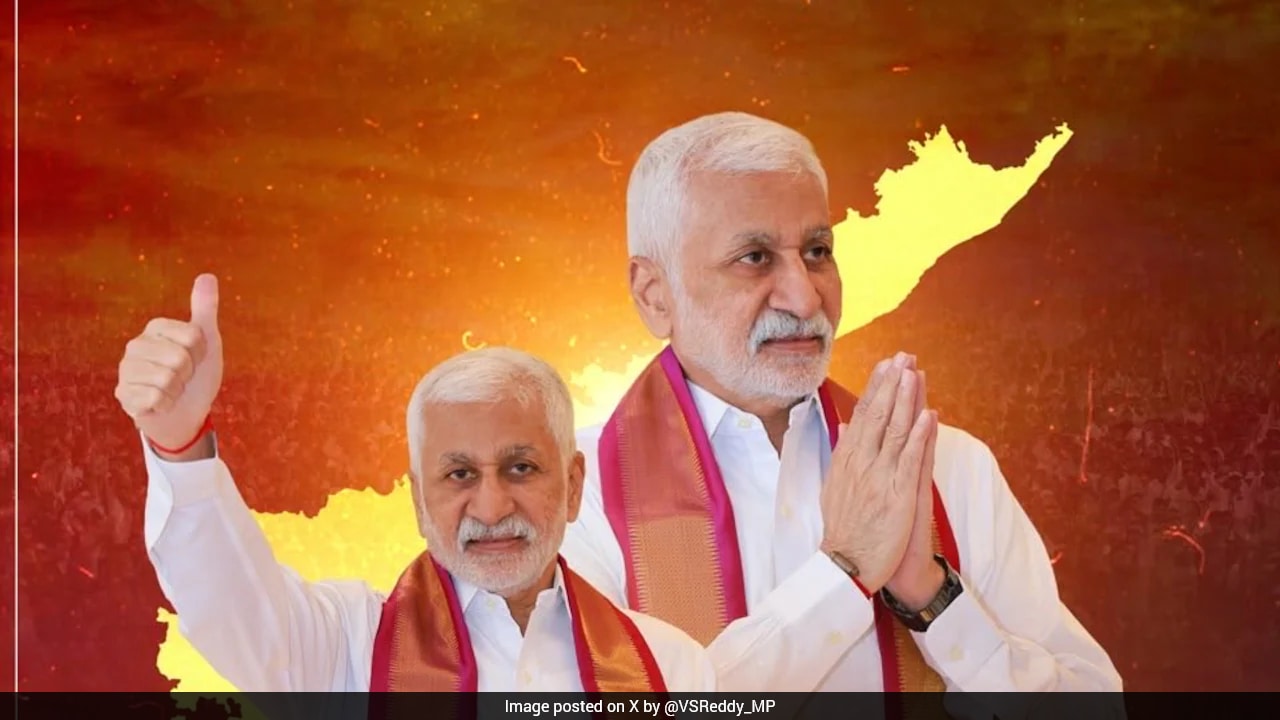
The launch of a new political party by Vijayasai Reddy marks a significant development in Andhra Pradesh's political scene. Having initially announced his retirement from politics and later resigning from the YSR Congress Party, Reddy's decision to form a new entity suggests a deepening rift within the ruling camp. This is not an isolated incident but part of a broader pattern of dissent and realignment that has characterized the state's politics in recent years. The new party, named PRP YSRCP, aims to capture the disaffected voters who feel that their interests are not being adequately represented by the existing leadership. This move could potentially alter the balance of power in the state, particularly in the upcoming local and state elections.
The underlying tension is between the centralized authority of the party leadership and the aspirations of regional leaders who seek greater autonomy and influence. Reddy's departure reflects a dissatisfaction with the current power structure and a desire to create an alternative platform for political expression. This friction is exacerbated by the competitive nature of Andhra Pradesh's politics, where alliances are fluid and loyalty is often conditional. The new party will need to build a strong organizational base and a clear ideological stance to gain traction, a task that will be complicated by the established presence of the major political parties in the state.
The downstream impact of this political realignment is an increase in electoral competition and a potential shift in voting patterns. The new party may act as a spoiler, drawing votes away from the ruling coalition and forcing the major players to reconsider their strategic alliances. This could lead to a more fragmented legislature, making it difficult to pass significant legislation and implement policy reforms. In the long term, the success orfailure of the new party will be a key indicator of the stability of the current political order in Andhra Pradesh. If it gains significant support, it could lead to a reconfiguration of the state's political map, with new alliances and power dynamics emerging.
Comments 0