Antonelli Rewrites the Formula One Canon at Twenty
Kimi Antonelli has secured the Formula One World Championship, becoming the youngest driver ever to claim the title at the age of twenty. His victory in Mexico City cements a generational shift in the sport, ending the era of veteran dominance with a decisive and historic coronation.
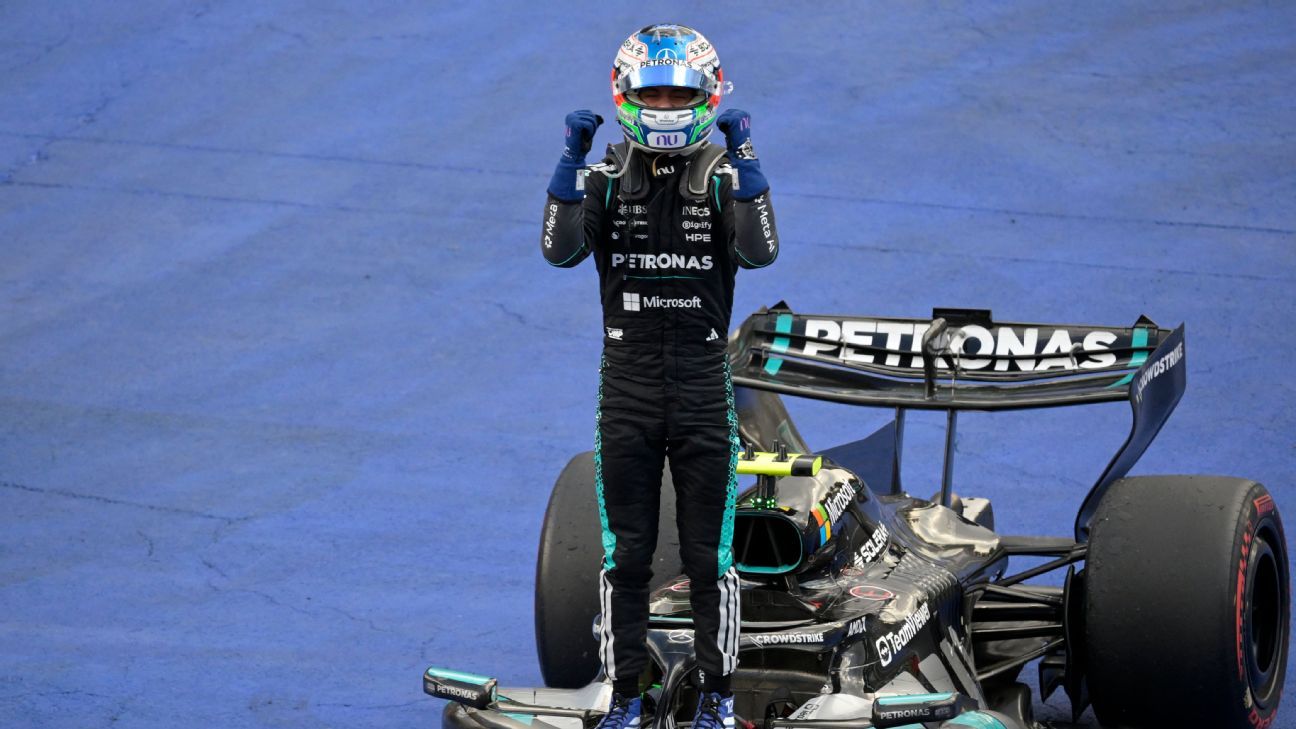
The final laps of the Mexico City Grand Prix did not merely conclude a race; they finalized a historical rupture in the sport of motorsport. Kimi Antonelli, the twenty-year-old prodigy, crossed the line in third place to mathematically secure the World Championship, a feat that had eluded every driver before him in the modern era. The shockwave of this achievement radiates far beyond the paddock, signaling that the traditional metrics of experience and longevity are being rapidly displaced by raw, early-stage technical mastery and strategic acuity. The atmosphere in the pit lane was one of stunned silence before erupting into celebration, as the youngest champion in history was formally recognized, a title that carries the weight of decades of expectation and scrutiny.
The underlying tension in this outcome stems from the intense institutional pressure placed on young talent in contemporary Formula One. Teams are increasingly investing in junior programs that accelerate drivers into the top tier, often bypassing the gradual apprenticeship that characterized previous generations. Antonelli’s success validates this aggressive developmental pipeline, suggesting that the organizational structures of the sport are now optimized for early peak performance rather than sustained longevity. This shift creates a friction between the commercial interests of teams, which seek immediate returns on investment, and the traditional sporting ethos that values the accumulation of wisdom over the years. The championship is thus not just a personal triumph but a validation of a specific, high-stakes industrial model for driver development.
The downstream consequences of this coronation will reshape the competitive dynamics of the grid for the coming decade. Competing teams will be forced to reassess their own junior strategies, potentially leading to a homogenization of driver profiles and a heightened focus on data-driven performance metrics. For the sport’s fanbase, the narrative of the underdog is replaced by the narrative of the inevitable prodigy, altering the emotional texture of future seasons. The commercial value of the championship will likely surge as sponsors and broadcasters capitalize on the youth appeal of the new champion, further entrenching the economic power of the teams that can identify and nurture such talent at the earliest possible stage. This marks the beginning of a new era where the age of the champion is no longer a surprise, but a benchmark.
Comments 0