Argentine Community Mobilizes to Reclaim Contaminated River
Local residents in an Argentine neighbourhood initiated grassroots cleanup operations to rescue a heavily contaminated urban waterway choked with industrial waste and sewage. Decades of institutional neglect prompted community members to organize direct environmental intervention.
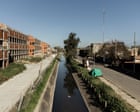
Confronted by chronic flooding and toxic accumulation in Argentina's second most-polluted river basin, neighbourhood activists bypassed bureaucratic inaction to launch independent decontamination drives. Decades of industrial discharge, domestic sewage, and municipal refuse had transformed the waterway into an ecological hazard. Led by longtime residents, community coalitions mobilized volunteers to clear debris and pressure local authorities for environmental enforcement. The grassroots initiative highlights the systemic failure of municipal governance in managing industrial pollution and urban sanitation in developing metropolitan peripheries. While state regulatory agencies remained paralyzed by jurisdictional disputes and funding shortages, local populations bore the immediate health and environmental consequences of poisoned water systems. Community-led cleanups provide temporary physical relief and raise environmental consciousness, yet they remain vulnerable without structural regulatory reform. True ecological recovery depends on the enforcement of industrial waste discharge bans and substantial municipal investment in sewage infrastructure.
Comments 0