Karnataka’s Drought Exposes Threat of River Pollution
Experts warn that Karnataka, already grappling with severe drought, cannot tolerate additional river contamination from sewage and reduced oxygen levels. The warning signals imminent ecological stress for water bodies that sustain agriculture and drinking supplies in the state.
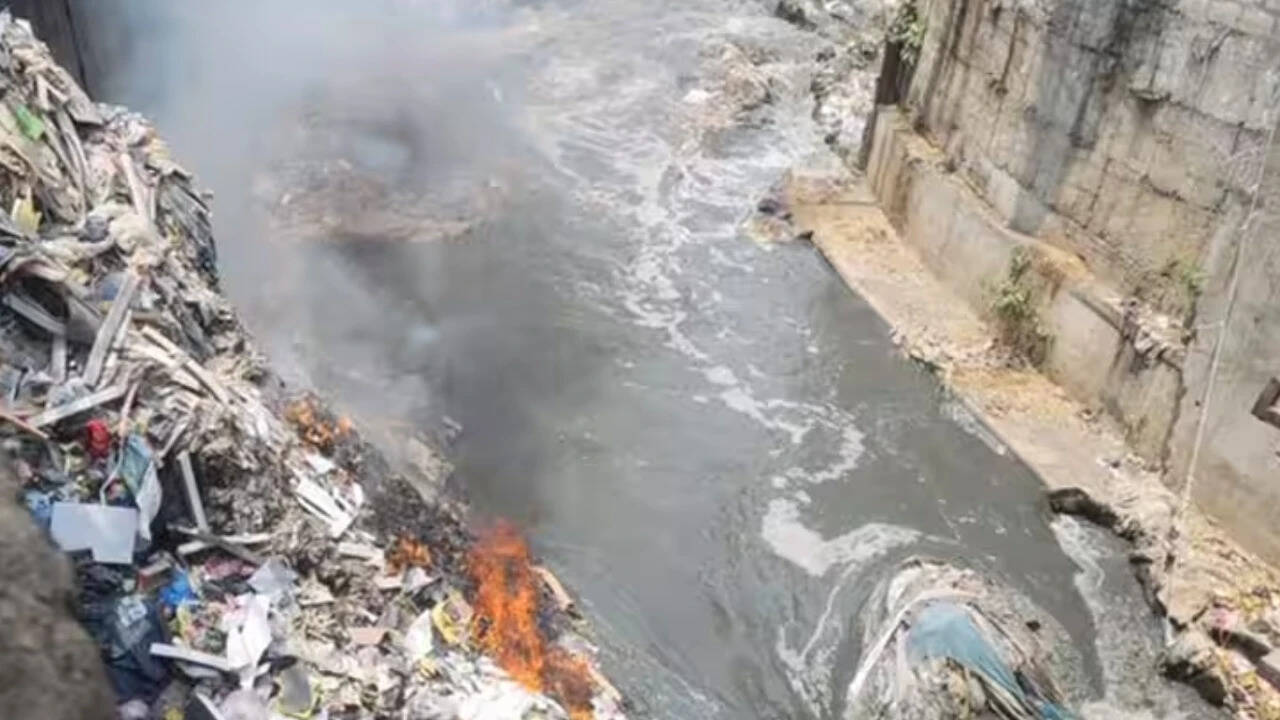
Karnataka’s ongoing drought has reduced river flows to historically low levels, creating conditions where even modest pollutant inputs can have outsized effects on water quality. Scientists have highlighted the danger of sewage discharge entering already depleted rivers, noting that lower water volumes diminish the natural dilution capacity, leading to heightened concentrations of harmful substances and a rapid decline in dissolved oxygen. These changes threaten aquatic life and jeopardize the availability of clean water for millions of residents who rely on these rivers for drinking and irrigation.
The tension underlying this environmental crisis stems from competing demands on limited water resources. Agricultural stakeholders press for increased water extraction to sustain crops, while urban centers generate growing volumes of wastewater that often lack adequate treatment facilities. Government agencies have struggled to balance these pressures, and policy gaps have allowed illegal dumping and insufficient regulation of industrial effluents to persist. The situation is further aggravated by climate variability, which intensifies drought cycles and reduces the predictability of water supply.
The tangible outcomes of this confluence of drought and pollution are already manifesting. Communities downstream report a rise in water‑borne illnesses, and fish populations have declined sharply, affecting both biodiversity and local livelihoods dependent on fishing. Anticipated water‑stress conflicts could emerge between rural and urban users, prompting legal disputes and social unrest. In response, state officials are considering emergency measures such as temporary bans on certain industrial discharges and accelerated investment in sewage treatment infrastructure, steps that could reshape Karnataka’s water management strategy over the next twelve months.
Comments 0