Armed With Smog Guns, Gurugram High-Rise Housing Complexes Fight Toxic Air On Their Own
High‑rise residential societies in Gurugram are installing smog‑removing machines and water‑sprinkling vehicles to improve air quality for their residents. The cost of these private measures is being passed on to homeowners.
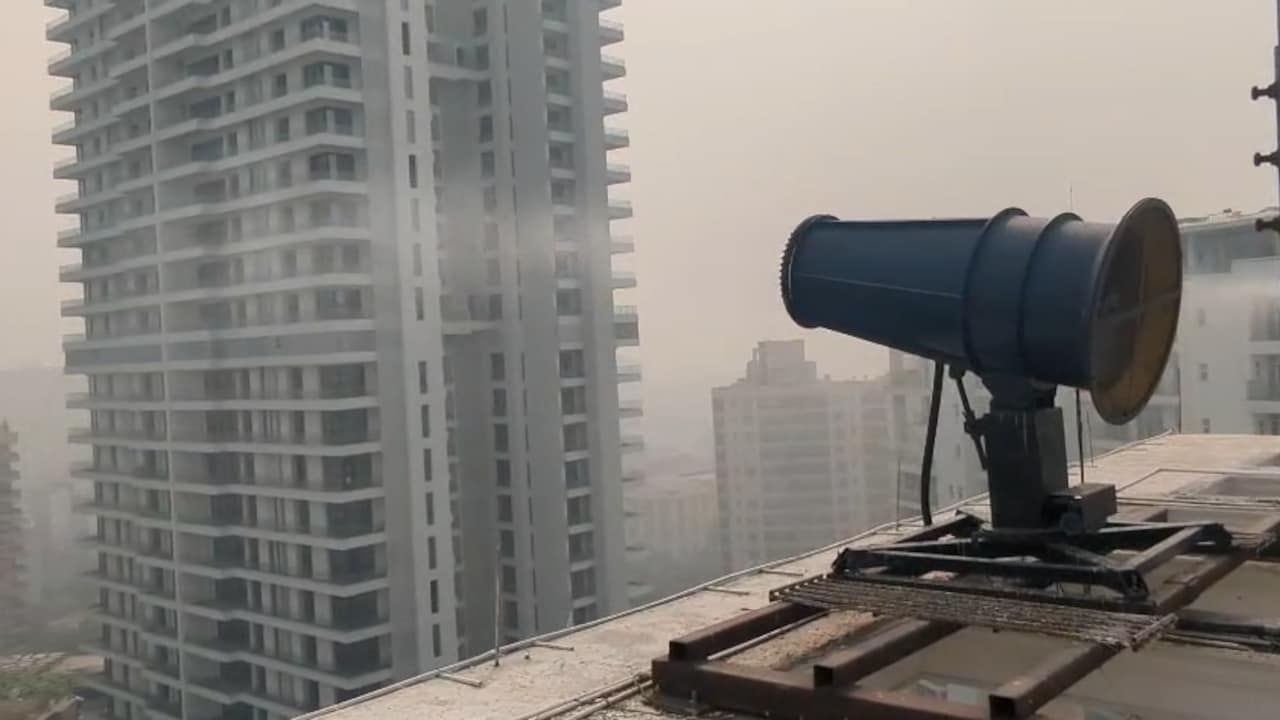
Facing some of the worst air‑quality readings in the country, several upscale housing complexes in Gurugram have taken matters into their own hands by deploying devices commonly referred to as "smog guns" on rooftops and operating water‑sprinkling trucks on nearby roads. These machines work by generating fine mist that captures airborne particles, while the sprinklers help settle dust and reduce the concentration of pollutants close to ground level. Residents report that the initiatives have led to a perceptible improvement in the breathability of the air within the compounds, especially during peak traffic hours.
The expense of purchasing, installing, and maintaining the equipment is being recovered through higher maintenance charges and special levies on apartment owners. Society committees explain that the additional fees are necessary to cover electricity consumption, regular servicing, and the hiring of technicians to operate the equipment. While some homeowners welcome the proactive approach, others question the long‑term sustainability of private funding for a problem that traditionally falls under municipal responsibility. The societies have also begun to share data on air‑quality readings before and after deployment to justify the added costs.
Experts suggest that these private efforts highlight a gap in public policy, where city authorities have struggled to enforce stricter emission controls on vehicles and construction sites. They recommend that municipal bodies collaborate with resident groups to develop coordinated strategies, such as expanding green cover and improving traffic management, which could complement the technology‑based solutions already in use. As air pollution continues to affect health and productivity, the experience in Gurugram may serve as a case study for other Indian cities grappling with similar challenges.
Comments 0