In a fortnight, hosps see twofold rise in pneumonia and respiratory cases
Hospitals across West Bengal reported a twofold increase in pneumonia and other respiratory cases over the past two weeks. Health officials are monitoring the trend closely as they prepare additional resources.
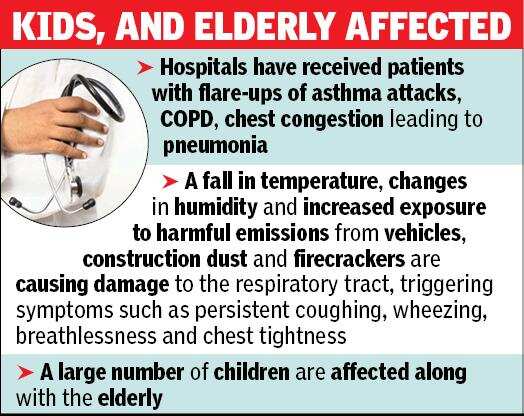
Over the last fourteen days, a number of public and private hospitals in West Bengal have recorded a sharp rise in patients suffering from pneumonia and other acute respiratory infections, with reported admissions roughly doubling compared with the previous fortnight. Doctors attribute the surge to a combination of seasonal weather changes, lingering effects of the COVID-19 pandemic, and higher levels of particulate matter in the air during the winter months. The spike has been noted in both urban centres such as Kolkata and smaller district hospitals, indicating a widespread pattern rather than an isolated outbreak.
The rapid increase in cases has placed considerable pressure on hospital beds, oxygen supplies, and diagnostic facilities. Many institutions have activated emergency response protocols, reallocating staff and expanding intensive care capacity to manage the influx. State health authorities have dispatched additional medical kits and have urged district hospitals to report daily case numbers to enable real‑time tracking. The rise also raises concerns about the availability of antibiotics and the need for timely vaccination campaigns against influenza and pneumococcal disease, which can reduce the severity of infections.
Public health experts advise residents to adopt preventive measures such as wearing masks in crowded indoor settings, maintaining good hand hygiene, and seeking medical attention early if symptoms like persistent cough, fever, or breathlessness develop. The state government is planning awareness drives in schools and community centres to educate people about the signs of severe respiratory illness. Monitoring air quality indices and reducing exposure to indoor pollutants, such as smoke from cooking fires, are also recommended steps to lower the risk of infection during this period.
Comments 0