Artificial Intelligence Integrates Into Religious Pilgrimage Management In Bihar
Authorities deployed real-time artificial intelligence translation tools and a dedicated mobile application to assist millions of pilgrims attending the Pitripaksh Mela in Bihar. The technological integration aims to streamline crowd navigation and communication across diverse linguistic groups.
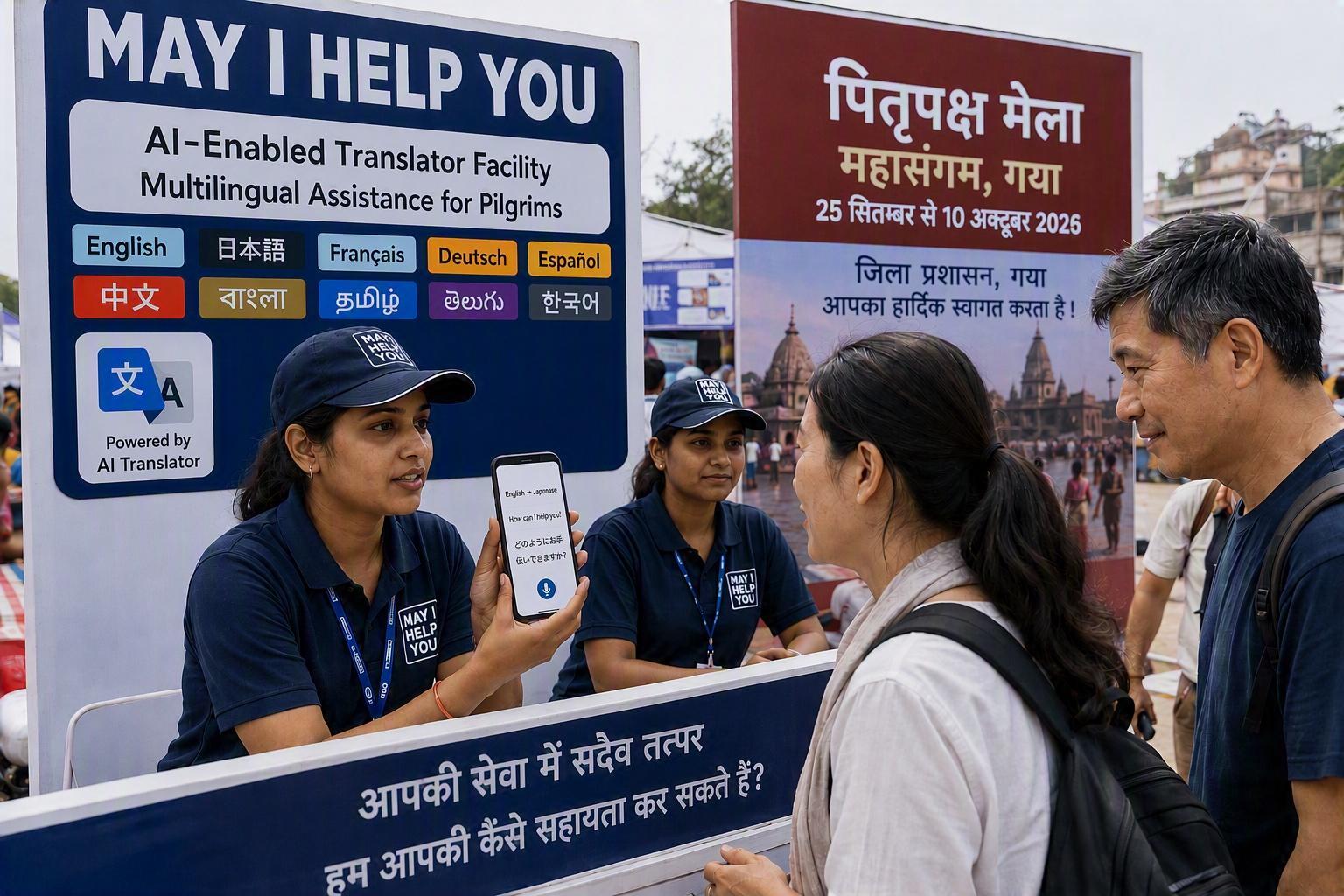
The administration in Bihar introduced advanced technological solutions to manage the massive influx of pilgrims arriving for the annual Pitripaksh Mela in Gaya. By deploying an AI-powered translation app alongside centralized monitoring dashboards, officials sought to bridge communication gaps among domestic and international visitors performing ancestral rites. The deployment represents a concerted push to modernize large-scale public gathering management through digital infrastructure. Implementing digital systems within traditionally managed religious congregations exposed friction between bureaucratic tech deployment and the demographic realities of older, non-digital native attendees. Ensuring reliable connectivity and digital literacy among ground-level administrative staff required extensive emergency training. Furthermore, data privacy concerns regarding crowd surveillance systems drew scrutiny from civil society groups monitoring state-backed digital expansion. The tangible outcome includes reduced congestion at major ritual sites and faster emergency response times through geo-located crowd tracking. The initiative sets a new operational standard for managing mega-events in India, proving that machine learning tools can alleviate logistical bottlenecks. Downstream effects will likely see permanent adoption of these digital frameworks across other major religious festivals nationwide.
Comments 0