Artificial Intelligence Retina Screening Deployed for Needle-Free Diagnostics at Mumbai Cultural Festivals
Advanced diagnostic cameras utilizing machine learning algorithms were introduced at major public celebrations to screen citizens for diabetes. The initiative brings non-invasive health monitoring directly into high-density public spaces.
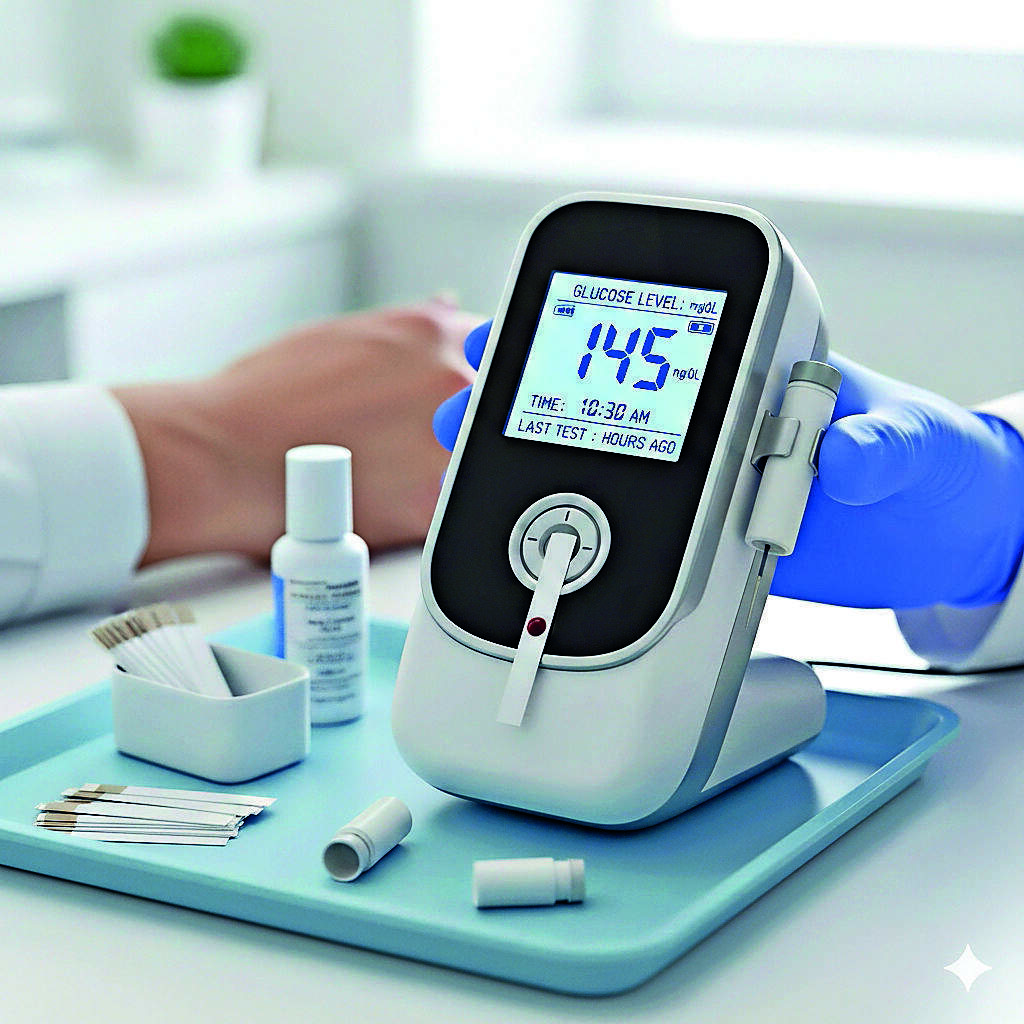
Public health initiatives in Maharashtra have embraced algorithmic diagnostics by deploying specialized retinal cameras at crowded cultural venues across Mumbai. These devices scan ocular microvasculature using machine learning models to detect early indicators of metabolic disorders without requiring traditional blood draws. By embedding advanced diagnostic technology into public gatherings, health authorities are attempting to bypass conventional clinical bottlenecks. The technological shift addresses profound systemic inertia within urban healthcare delivery, where preventive screenings remain underutilized due to fear of needles and clinical intimidation. However, deploying algorithmic diagnostics in open public environments raises pressing questions regarding data privacy, consent protocols, and diagnostic accuracy outside controlled medical facilities. Public health agencies must balance the imperative for mass screening against the risk of algorithmic misdiagnosis. The tangible outcome of this deployment is a massive expansion in early-stage metabolic screenings among populations that typically avoid routine clinical checkups. Individuals identified with potential markers are funneled into municipal treatment pipelines, shifting public health expenditure from costly late-stage interventions toward early preventive care. This model provides a blueprint for deploying automated health screening in resource-constrained urban environments across the subcontinent.
Comments 0