ASHA Workers Strike Exposes Fractures in India's Primary Health Network
Health Minister Khader has condemned the strike by ASHA workers, accusing them of abusing government employment while demanding higher incentives. The standoff highlights the precarious nature of India's frontline health workforce and the strain on rural healthcare delivery.
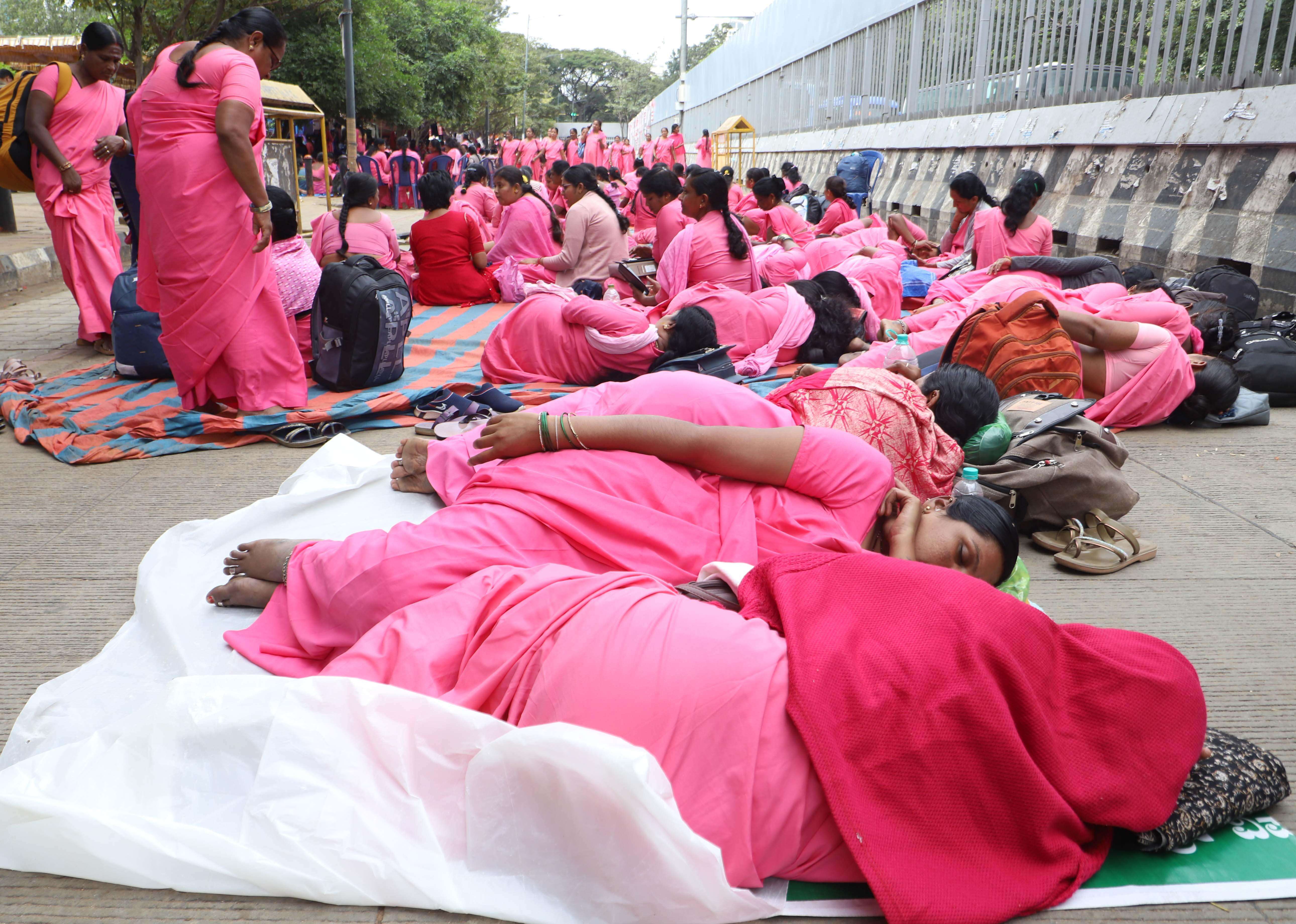
The strike by ASHA workers in Karnataka has brought to the forefront the deep-seated tensions within India's primary healthcare system. Minister Khader's sharp criticism, labeling the workers as abusers of government trust, underscores the political sensitivity of the issue. The ASHA program is the backbone of rural health delivery, and its disruption directly impacts millions of citizens who rely on these workers for basic medical services and health education.
The underlying tension is rooted in the long-standing debate over the status and compensation of ASHA workers. Many argue that their roles have evolved into full-time professional positions, yet they remain classified as honorarium-based workers with limited job security. This institutional ambiguity has led to repeated demands for regular employment and better pay, which the government has largely resisted, citing budgetary constraints and the voluntary nature of the program.
The immediate consequence of the strike is a gap in healthcare services in rural areas, particularly for maternal and child health. The confrontation between the state and the workers may lead to a reevaluation of the ASHA program's structure, potentially resulting in a formalization of employment terms. However, the political fallout could also delay much-needed reforms, leaving the frontline health workforce in a state of uncertainty and affecting the overall efficiency of India's public health system.
Comments 0