Asia's Oil Trade Is Shrinking Its Shipping Options
Record freight costs are forcing Asian crude buyers to use smaller tankers and make longer term charter arrangements as they confront a shipping crisis. The change raises transport risks for importers and gives vessel owners greater leverage in a strained oil market.
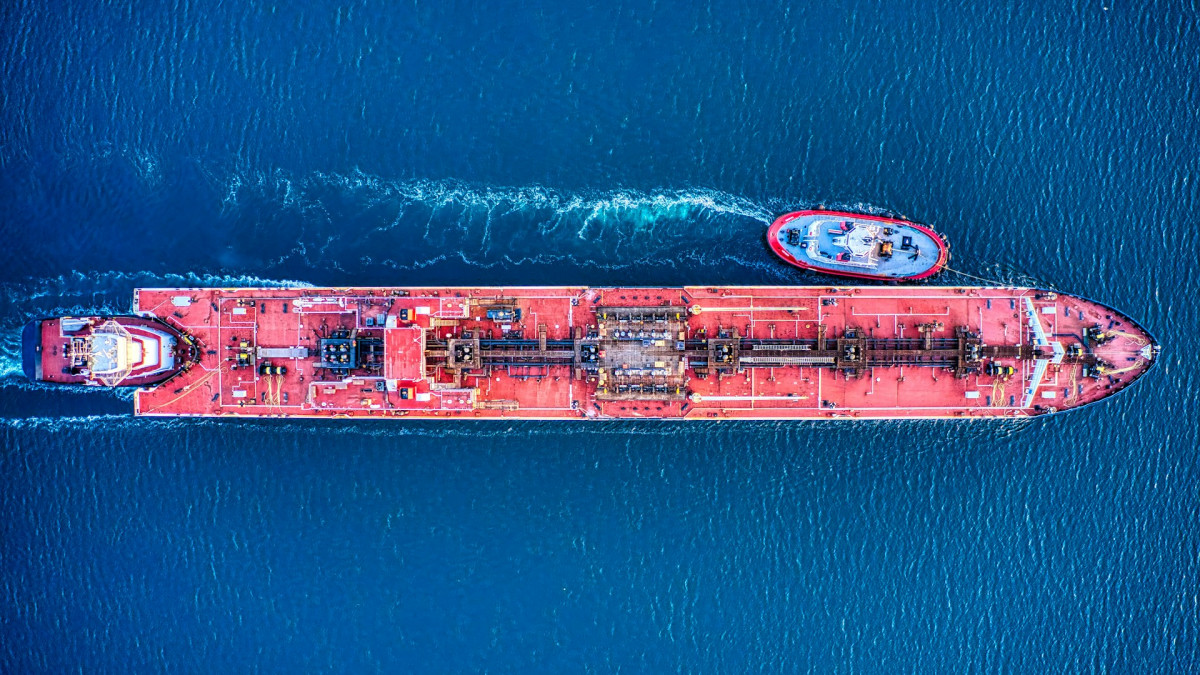
Asian buyers of crude oil are turning to smaller tankers and ships secured through long-term charter deals as record freight costs alter the economics of moving petroleum across long distances. The shipping crisis is changing procurement and routing decisions well beyond the chartering desk. Importers that once had a broad choice of vessels now face a narrower and more expensive market, while small crude carriers become central to maintaining physical oil flows.
The underlying tension lies in the mismatch between global oil demand and the available shipping capacity at the right scale, location and price. Larger vessels can offer efficiency on major routes, but their use may no longer be affordable or operationally suitable under current conditions. Smaller tankers give buyers greater flexibility, yet they also place more movements on the water and can concentrate risk in routes where insurance, port access and handling conditions are less certain. Long-term charters offer stability, transferring part of the market's uncertainty into contracts that can remain expensive even as spot conditions change.
The downstream effect is a more expensive and less flexible route to energy security for Asian importing states. Higher freight costs feed into the landed price of crude, while refiners and trading houses must adjust their source decisions and inventory strategies. Vessel owners benefit from strong pricing power, and smaller or less conventional tonnage may gain a larger role in the market. For consumers, the most visible result could come later through refined fuel prices and the cost of maintaining industrial activity. The crisis is thus changing not merely how oil is shipped, but who pays for the resilience of the routes that supply it.
Comments 0