Australia and Philippines Ink Defence Accord as Beijing Watches Warily
Australia and the Philippines have signed a bilateral defence pact amid rising tensions in the South China Sea. Beijing has expressed concern, interpreting the agreement as a strategic encirclement.
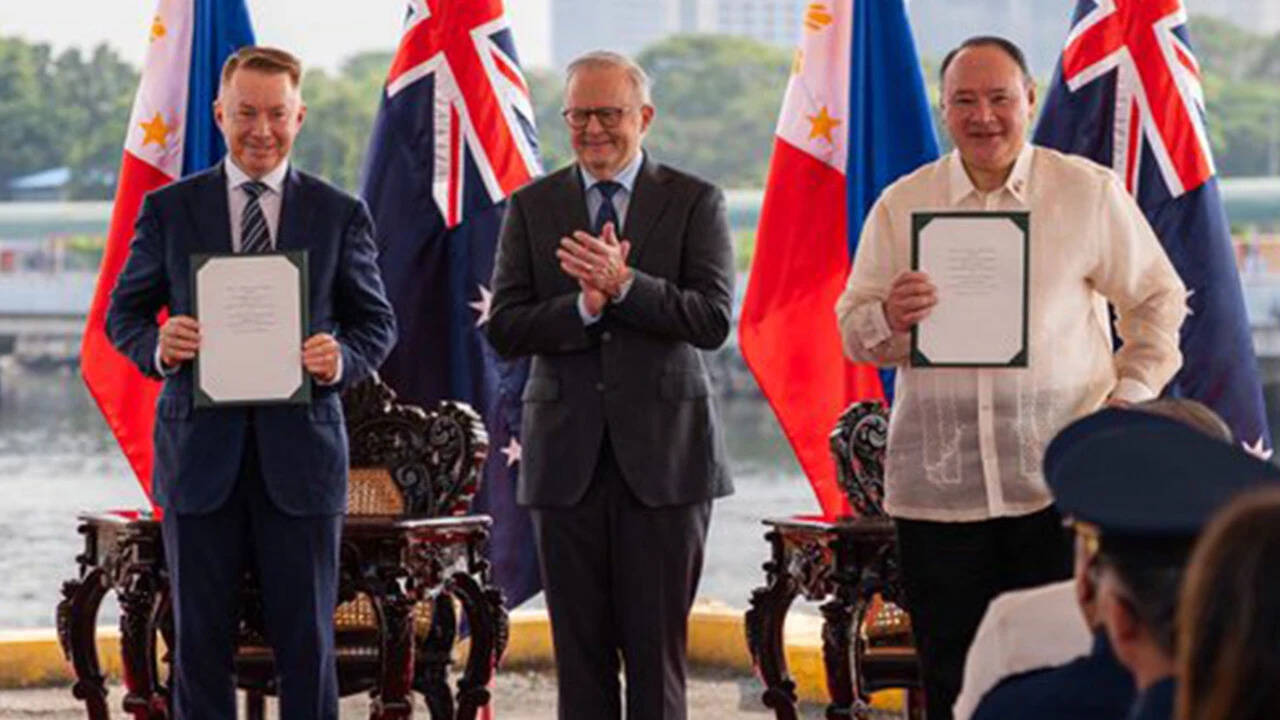
The newly signed defence agreement formalises joint exercises, intelligence sharing, and the possible deployment of Australian assets to Philippine waters. Both governments presented the pact as a means to bolster regional stability and protect maritime trade routes that are vital to their economies. The ceremony, attended by senior defence ministers, underscored a shared perception of threat from an increasingly assertive China, which has been expanding its presence in contested waters.
Institutional friction emerges as the United States, a traditional ally of both signatories, monitors the development with cautious optimism. While the pact does not obligate either party to a collective defence clause, it nevertheless deepens military interoperability and may prompt adjustments in existing security frameworks. Regional organisations such as ASEAN are likely to weigh the implications for their own cohesion, as member states balance economic ties with China against security assurances from external partners.
The tangible outcomes could reshape the Indo‑Pacific balance of power. Australian naval deployments may increase patrols in the eastern Indian Ocean, providing a deterrent to potential incursions. For the Philippines, enhanced training and access to advanced platforms could improve its capacity to safeguard sovereign waters. The agreement may also stimulate defence procurement in both nations, generating economic activity in the aerospace and shipbuilding sectors while signaling to Beijing that a coordinated response is taking shape.
Comments 0