SpaceX Starship Booster Fails in Gulf, Ending Double-Catch Attempt
SpaceX's ambitious attempt to catch a Starship booster failed, with the vehicle ending up in the Gulf of Mexico. This setback delays the company's goal of achieving fully reusable rockets, impacting its plans for high-frequency launches and space exploration.
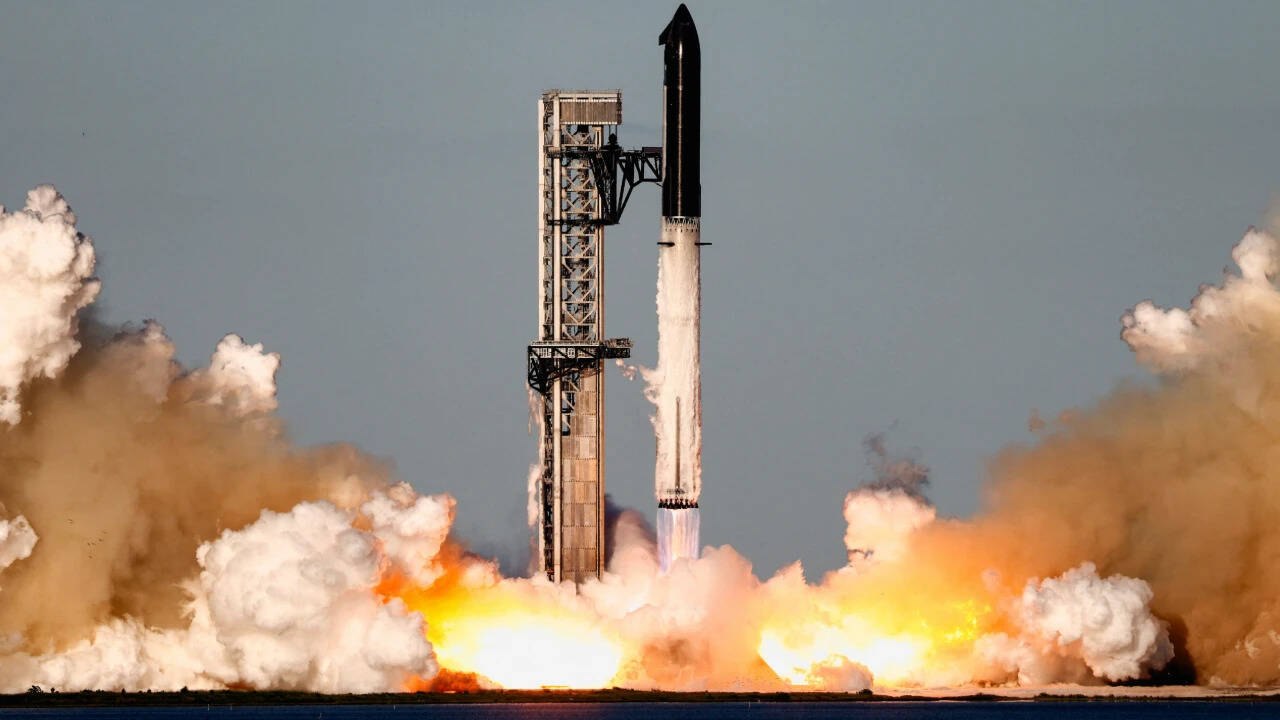
The concrete rupture is the failure of SpaceX's Starship booster to be caught during its descent, resulting in its landing in the Gulf of Mexico. This event marks a significant setback for the company's efforts to develop a fully reusable rocket system, which is central to its vision of affordable space travel and colonization. The failure highlights the technical challenges involved in achieving precise control and recovery of large, complex spacecraft.
The underlying tension is between the aggressive timelines set by SpaceX and the inherent risks of pushing technological boundaries. The company's culture of rapid iteration and testing has led to numerous failures, but each one provides valuable data for improvement. However, the cost of these failures, both in terms of resources and public perception, is significant. This incident underscores the difficulty of balancing innovation with reliability in a high-stakes environment.
The downstream impact includes delays in SpaceX's launch schedule and potential impacts on its contracts with NASA and other clients. The failure may also affect investor confidence and the company's valuation, as it highlights the risks associated with its ambitious goals. However, it also serves as a reminder of the progress made in rocket technology and the potential for future breakthroughs.
Comments 0