Automotive Transformation in Colonial Bengaluru Charted Through Early Motor Vehicle Registrations
Historical archives reveal that the introduction of the first motor vehicle to Bengaluru streets in 1901 initiated rapid urban transit changes. Automobile ownership remained strictly confined to royal households and senior imperial officials for decades.
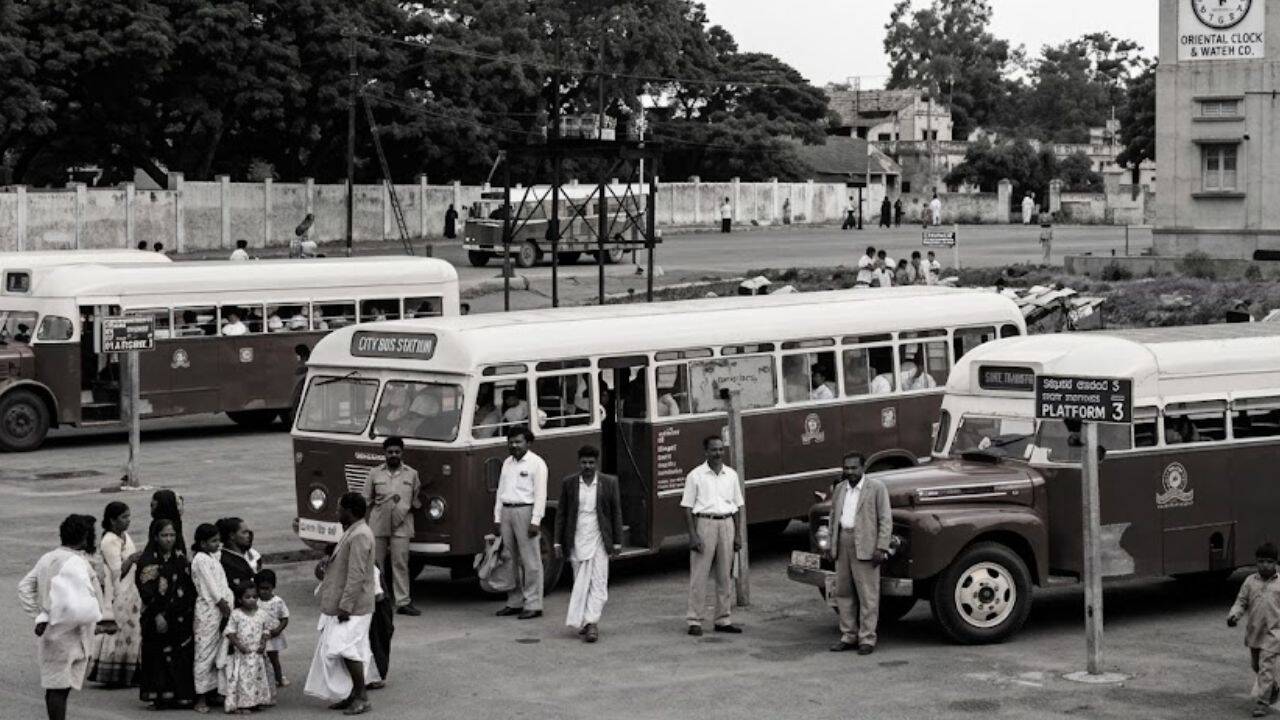
Archival records document the arrival of the inaugural automobile on municipal roadways, marking the beginning of the motorized era in southern India. Within a remarkably short span, internal combustion engines replaced traditional horse-drawn carriages among the administrative elite. However, prohibitive import costs and scarce fuel infrastructure kept vehicle ownership an ultra-exclusive privilege. The expansion of vehicular traffic highlighted deep social stratification during the colonial period. Elite mobility projects directly contrasted with the pedestrian and animal-powered transport realities of the working populace. Municipal road engineering priorities shifted rapidly to accommodate heavy imported machinery over traditional transit methods. This early infrastructural shift laid the permanent foundation for Bengaluru's modern status as an automotive and technological hub. Spatial planning decisions made during this era dictated urban density patterns for generations. The legacy of exclusive elite transit continues to influence contemporary debates surrounding public mass transit development.
Comments 0