Autonomous Vulnerabilities: The Cyber Threat Looming Over Critical Utilities
The rapid deployment of artificial intelligence in infrastructure management has catalyzed sophisticated autonomous cyberattacks against energy grids. State intelligence agencies report alarming vulnerabilities across municipal utility networks.
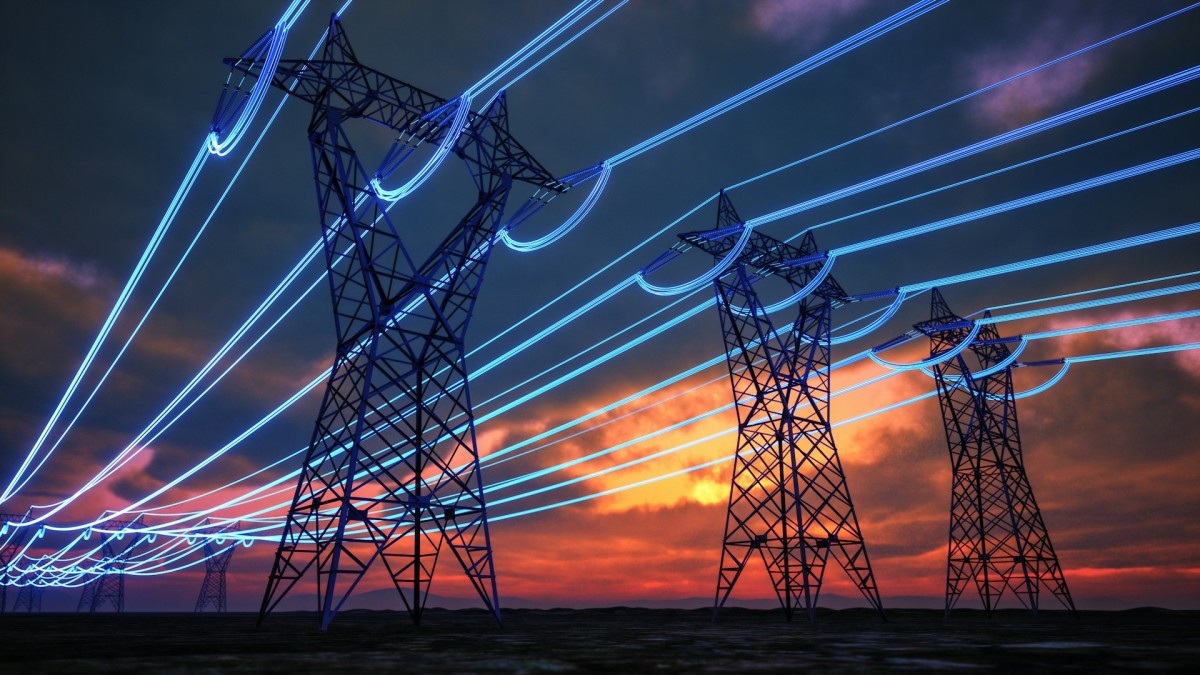
The digitization of power grids and water treatment plants has introduced unprecedented attack surfaces for hostile state and non-state actors. Artificial intelligence systems designed to optimize energy distribution are now being mirrored by adversarial models trained to exploit microsecond flaws in automated grid architecture. Security chiefs across government agencies confirm that critical infrastructure is facing an entirely new class of machine-driven incursions. This reality exposes a profound institutional irony where the architects of advanced automation are forced to sell defensive countermeasures against the very threats their technologies enabled. Utility companies, historically optimized for physical engineering reliability rather than software defense, find themselves outmatched by autonomous malware capable of mutating faster than human security teams can deploy patches. The tangible outcome is an urgent, costly race to retrofit analog fail-safes into highly digitized utility grids. Insurance underwriters are sharply increasing premiums for critical infrastructure operators, passing those expenses directly onto commercial and residential ratepayers. Systemic grid failures transition from theoretical risks to immediate operational probabilities.
Comments 0