IIT Guwahati Launches Semiconductor Technology Courses
IIT Guwahati has partnered with Tata Electronics to introduce diploma and B.Tech courses in semiconductor technology. This initiative aims to address the shortage of skilled professionals in the chip industry and support India's goal of becoming a global hub for semiconductor manufacturing.
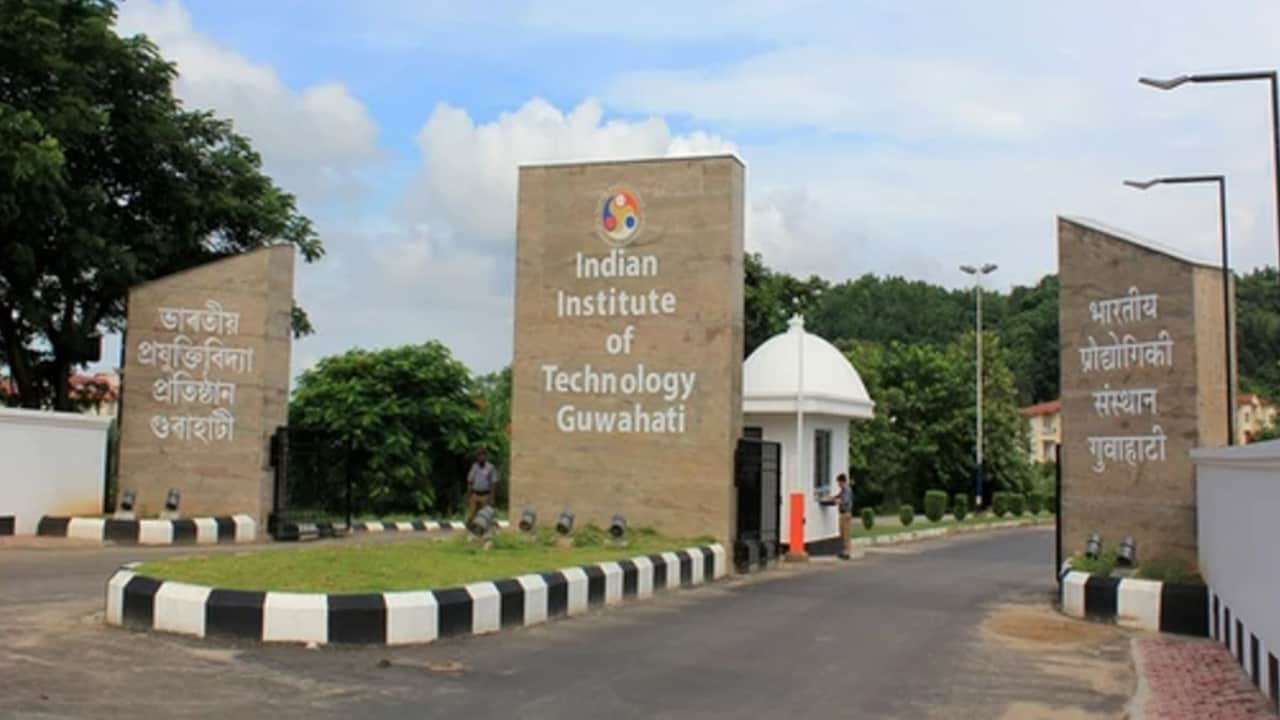
IIT Guwahati has taken a significant step towards strengthening India's semiconductor ecosystem by introducing diploma and B.Tech courses in semiconductor technology. The initiative, in partnership with Tata Electronics, focuses on practical training in chip assembly, testing, marking, and packaging. This move is part of a broader national effort to build a skilled workforce capable of supporting the growing semiconductor industry in the country. The courses are designed to bridge the gap between academic learning and industry requirements, ensuring that graduates are job ready.
The underlying tension in the semiconductor sector is the lack of specialized skills and expertise in India. While the country has a large pool of software engineers, there is a significant shortage of professionals with hands on experience in hardware and chip design. The institutional friction arises from the traditional focus of engineering education on theoretical knowledge, which often does not align with the practical needs of the industry. The partnership between IIT Guwahati and Tata Electronics is a response to this gap, aiming to create a more relevant and industry focused curriculum.
The downstream impact of this initiative is likely to be substantial for the semiconductor industry and the broader economy. The availability of skilled professionals will make India a more attractive destination for semiconductor manufacturers, both domestic and foreign. This, in turn, will lead to increased investment in the sector, creating more jobs and boosting economic growth. The long term consequence is a more robust and self sufficient semiconductor industry in India, which is for the country's technological sovereignty and economic resilience.
Comments 0