Aviation Security Protocols Tested as Captain Defeats Midair Assault
Captain Smit Machchhar thwarted a violent cockpit attack by a co-pilot during a commercial flight from Dubai to Tel Aviv. Despite sustaining severe injuries, the pilot prioritized passenger safety before receiving direct commendation from national leadership.
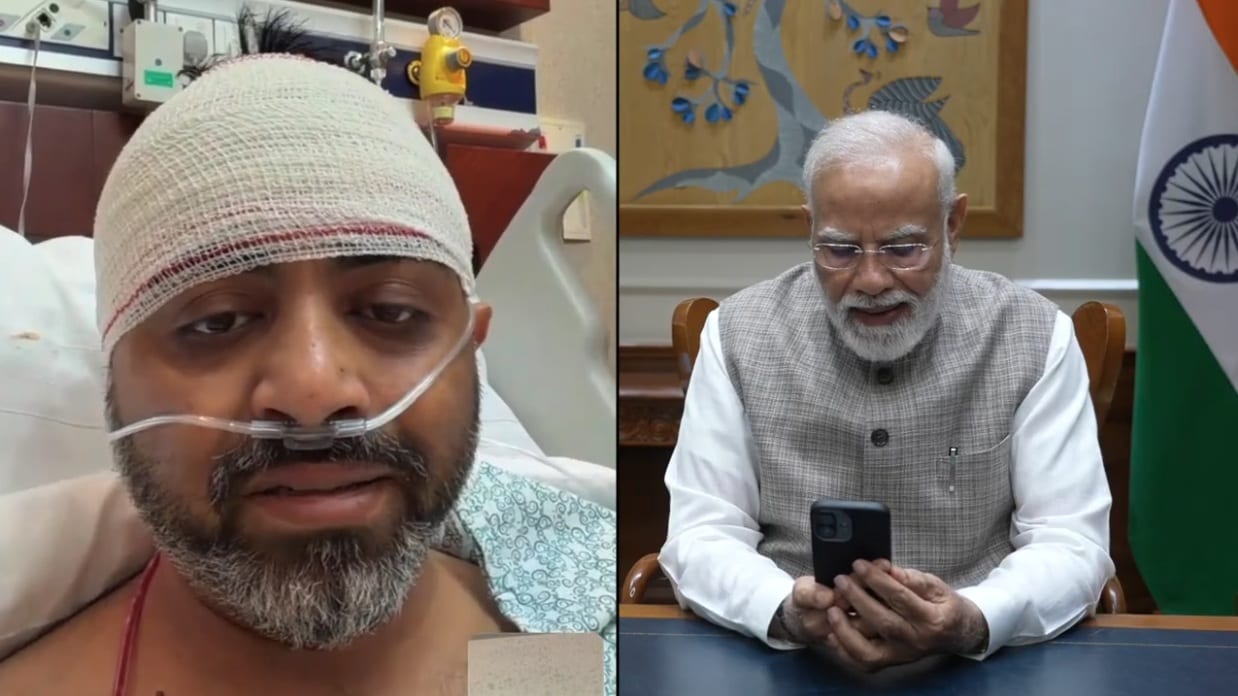
The tranquility of a commercial flight shattered at thirty thousand feet when an Omani co-pilot drew a weapon and launched a sudden assault on Captain Smit Machchhar inside the flight deck. In a confined space where split-second decisions dictate survival, the injured commander had to simultaneously neutralize an internal threat and maintain aircraft control. The physical struggle left the captain with grave wounds, yet his singular focus remained anchored on preventing the cabin from descending into catastrophic disaster. This horrifying episode exposes severe vulnerabilities in international cockpit vetting procedures and mental health monitoring protocols across global carriers. While airlines implement exhaustive pre-employment checks, unpredictable psychological fractures among crew members continue to evade standard screening mechanisms. The incident forces aviation authorities to reevaluate whether secondary physical barriers between pilots and the cabin are now an absolute operational necessity rather than an optional luxury. Ultimately, the heroism of Captain Machchhar prevented a major international tragedy, yet the structural aftershocks will reverberate through carrier security departments for years. International aviation regulators are rushing to draft stricter protocols regarding cockpit access and crew behavioral monitoring. Passengers step onto modern aircraft trusting invisible walls of safety, oblivious to how easily human fragility can breach them.
Comments 0