Diplomatic Divergence Emerges Between Washington Bureaucracy and Political Leadership
Foreign policy analysts note a growing institutional disconnect between political overtures toward military regimes in South Asia and the operational priorities of career bureaucratic agencies. This divergence complicates bilateral strategic engagements and diplomatic consistency.
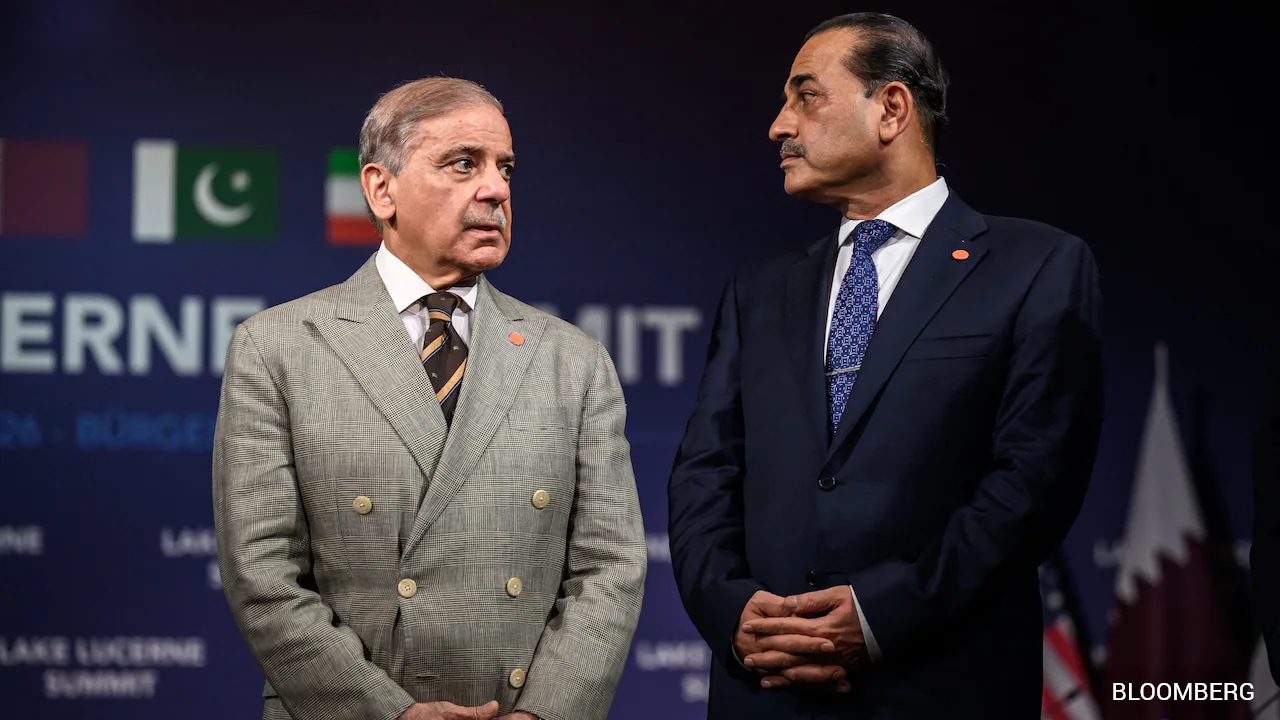
Recent diplomatic maneuvers have highlighted a persistent fissure between high-level political leadership in Western capitals and the long-term strategic assessments held by career foreign service bureaucrats. While executive political figures frequently court military leadership in developing nations to secure short-term tactical advantages, administrative agencies maintain rigid conditions regarding human rights and governance standards. This institutional dissonance creates erratic diplomatic signals that frustrate foreign ministries across the developing world. Institutional friction is amplified by differing timelines, where elected politicians prioritize immediate geopolitical wins ahead of electoral cycles, whereas career diplomats focus on systemic institutional resilience. Foreign counterparts frequently struggle to navigate this bifurcated power structure, leading to miscalculated policy expectations and stalled bilateral agreements. The permanent bureaucracy maintains effective veto power over deep strategic integration through protracted administrative reviews. Tangible outcomes include delayed economic aid disbursements, inconsistent defense cooperation agreements, and heightened strategic ambiguity for regional allies. Developing nations must adapt their diplomatic strategies to address both the ephemeral whims of political executives and the glacial caution of bureaucratic agencies. This internal friction weakens the coherence of international alliances operating in volatile geopolitical zones.
Comments 0