Bail‑granted murder suspect gunned down outside Ulhasnagar station
A murder accused released on bail was shot dead near Ulhasnagar railway station, highlighting the perils of criminal retaliation. The incident has prompted calls for heightened security measures for individuals released under judicial supervision.
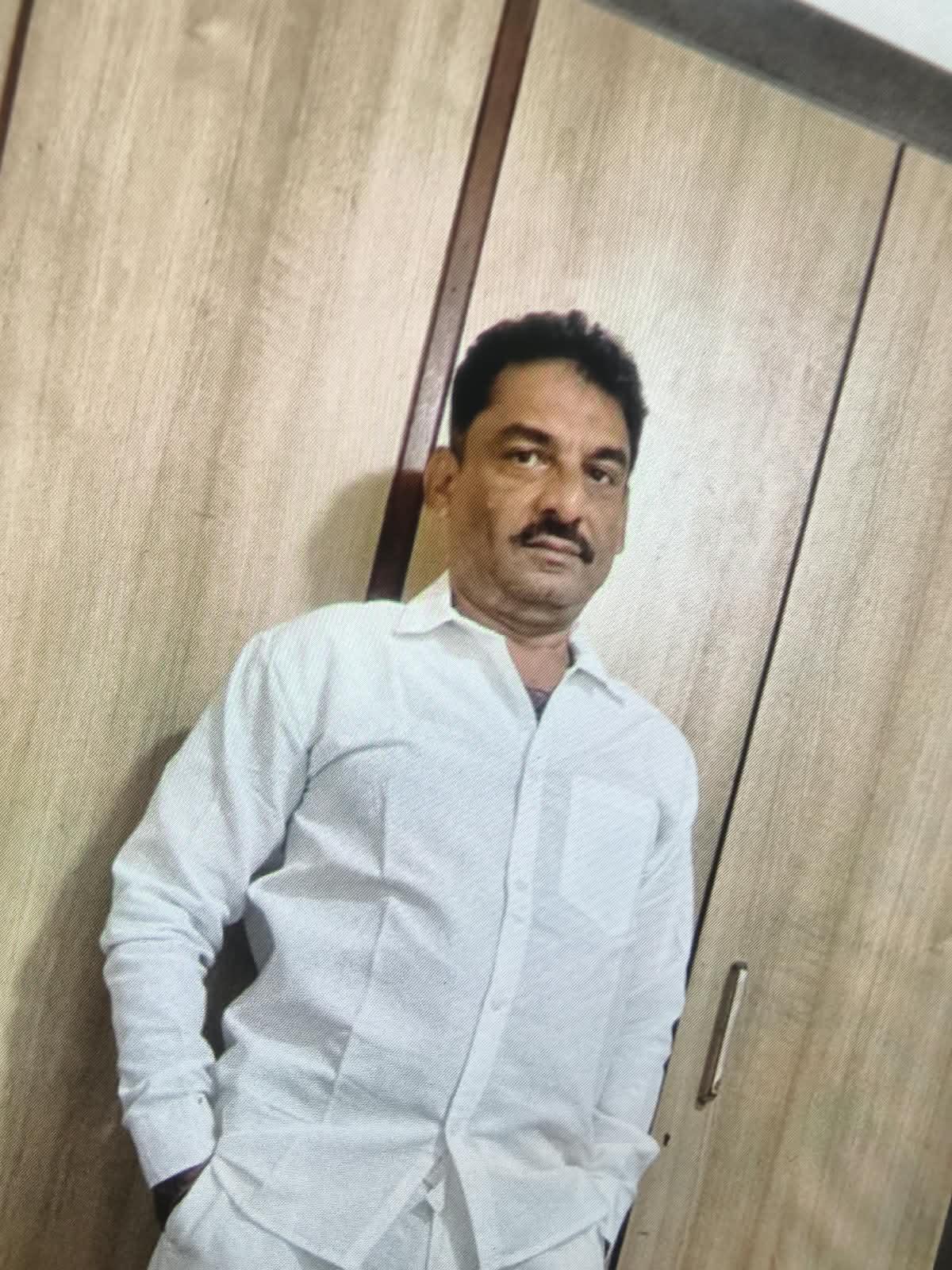
In the early hours of the morning, a man identified as a murder suspect who had been granted bail was ambushed and fatally shot outside Ulhasnagar railway station in Maharashtra. Witnesses reported that the assailants approached the victim on a motorcycle, opened fire, and fled the scene before police could intervene. The victim, who had been awaiting trial for a high‑profile homicide case, succumbed to multiple gunshot wounds despite immediate medical attention. The incident was captured by local media and quickly disseminated across social platforms, sparking public outcry.
The killing underscores the volatile intersection of criminal networks and the judicial system, where individuals released on bail may become targets of rival factions or personal vendettas. Law enforcement officials noted that the suspect’s release had been contested by the victim’s family and several advocacy groups, who argued that the bail decision exposed the community to heightened risk. The episode has reignited debate over bail policies, especially in cases involving violent offenses, and raised concerns about the adequacy of protective measures for individuals under judicial supervision.
In the aftermath, local authorities have pledged to intensify patrols around railway stations and other high‑traffic zones, while the state government is reportedly reviewing bail guidelines to incorporate risk assessments. Community leaders have called for a transparent inquiry into the circumstances surrounding the murder, emphasizing the need for swift justice to deter future retaliatory acts. The incident may also influence broader discussions on criminal justice reform, prompting legislators to balance the rights of the accused with public safety imperatives.
Comments 0